Top Tips for Choosing the Right DC Power Supply for Your Needs?
When selecting a reliable DC power supply, expert insights can guide you through the complexities. John Baker, a well-known engineer in the power electronics industry, emphasizes, “Choosing the right DC power supply is crucial for your project’s success.” He highlights the importance of understanding specific needs before making a decision.
The market is flooded with options, making the selection process overwhelming. Factors such as voltage, current capacity, and load characteristics should be considered. Each of these parameters affects performance and quality. For instance, a supply with inadequate voltage could fail to power your devices correctly. This can lead to project delays and increased costs, which is often overlooked in the rush to purchase.
Crafting the perfect setup requires more than just picking a brand. It involves assessing compatibility with your equipment and future needs. You may find the ideal DC power supply on paper, but in practice, it might fall short. Researching, asking for expert recommendations, and seeking feedback from users can reflect the product’s reliability. Remember, the right choice today can enhance efficiency and stability for all your projects tomorrow.
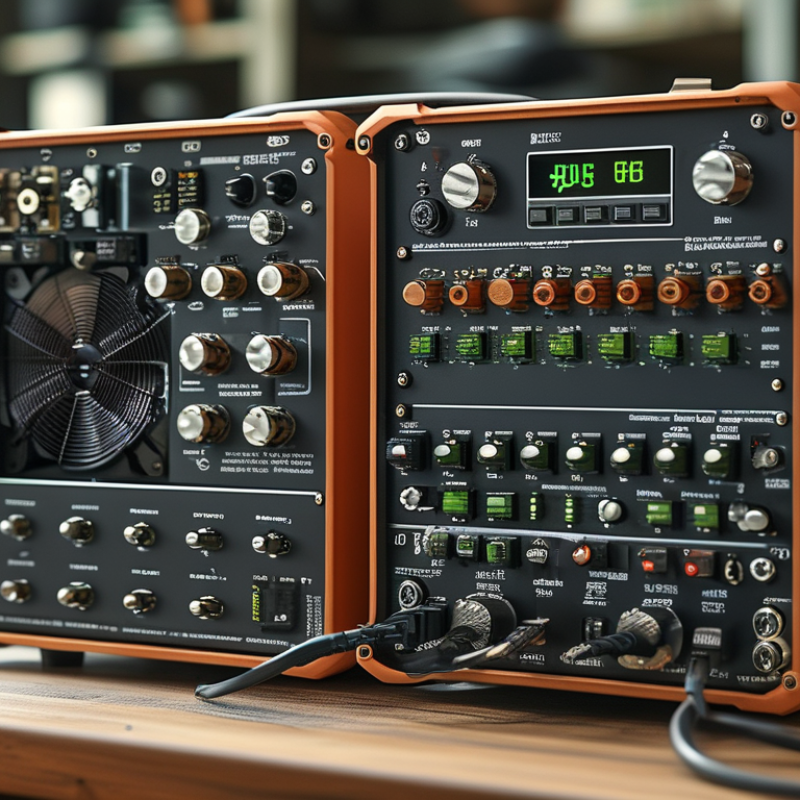
Understanding Your Power Requirements for DC Power Supplies
When selecting a DC power supply, understanding your specific power requirements is crucial. Each device or project has different voltage and current needs. It's essential to identify the voltage levels your application requires. Is it 5V, 12V, or higher? Knowing this upfront can save time and resources.
Consider the current capacity as well. Assess the maximum current draw of your equipment. This helps in choosing a power supply that can handle peak loads effectively. Overloading a supply can lead to failures or downtime. It's wise to allow for some headroom beyond your maximum requirements—around 20-30% extra.
Efficiency is another important factor. A more efficient power supply generates less heat. This can be beneficial in minimizing cooling requirements. Check the efficiency ratings to ensure reliability over time. Drawing from reliable sources of information is essential. Pay attention to reviews and technical specifications that reflect real-world performance. Don't overlook these details, as they can impact your project's success.
Types of DC Power Supplies and Their Applications
When choosing a DC power supply, understanding the different types and their applications is crucial. Linear power supplies are commonly used in labs for their low noise and stability. They offer excellent regulation, making them ideal for sensitive electronics. However, they can be bulky and less efficient compared to other types. Switching power supplies, on the other hand, are compact and more energy-efficient. They convert electricity efficiently, which makes them popular for high-power applications.
Consider your specific needs when selecting a power supply. For instance, if you're powering a microcontroller project, a bench power supply might suffice. In contrast, for automotive work, a programmable power supply is essential due to varying voltage requirements. According to recent industry reports, nearly 30% of engineers express dissatisfaction with their current power supply, often due to improper selection for their applications.
Here are some tips: always check the output voltage range. Ensure it matches your device requirements. Additionally, think about current capacity; under-serving your needs can lead to issues. Evaluate your too. The right choice today might not serve you well tomorrow. Making informed decisions at the outset can save time and money later.
Key Specifications to Consider When Choosing a DC Power Supply
Choosing the right DC power supply involves understanding key specifications. One critical factor is output voltage. Most applications require a stable voltage level. For instance, electronic devices typically operate between 5V and 12V. An unstable supply can lead to device failures and increased downtime. According to industry data, 30% of power supply issues stem from improper voltage settings.
Current capacity is another crucial specification. It determines how much current the power supply can deliver. Devices with higher power demands need supplies that offer greater current capacity. Reports show that 20% of equipment damage is due to under-rated power supplies. Users should evaluate their devices carefully. Overloading a power supply can lead to overheating and potentially dangerous situations.
Finally, consider the efficiency rating of the power supply. An efficient unit minimizes energy waste, thus reducing operational costs. Industry studies suggest that even a small increase in efficiency can lead to significant savings over time. However, achieving high efficiency may require higher initial investment. Balancing cost with efficiency is a common challenge. Users should weigh their options carefully based on their specific requirements. Being aware of these specifications can lead to informed purchasing decisions.
Assessing Quality and Reliability in DC Power Supplies
When selecting a DC power supply, quality and reliability must be prioritized. An unreliable power supply can result in fluctuating voltages and current interruptions. These issues can damage sensitive electronics. It's essential to assess the construction and components used in the power supply. Higher quality components generally lead to better performance and durability over time.
Moreover, performance metrics are critical. Look for specifications on ripple voltage and load regulation. These figures reflect how stable the output remains under varying loads. Reading customer reviews can provide insights. However, be cautious; not every review reflects the truth. Testing the power supply in real-world scenarios can reveal performance gaps.
Consider also the manufacturer's reputation. Established manufacturers often adhere to strict quality control standards. This translates to more reliable products. Yet, even reputable manufacturers may face issues. Therefore, continuous evaluation post-purchase is necessary. Users must stay alert to any signs of malfunction. Frequent checks on performance can preempt potential failures in the system. Always remember, reliability is not just a feature; it requires ongoing commitment.
Cost Factors and Budgeting for Your DC Power Supply Needs
When considering the cost factors for a DC power supply, understanding the balance between budget and performance is essential. Reports from the power supply industry indicate that low-end models can range from $50 to $150, while high-performance units may exceed $1,000. This range emphasizes the need for careful evaluation of both price and functionality.
Splurging on high-end models isn't always justified. Depending on the application, cheaper options may deliver sufficient power without overspending. For instance, a basic supply might serve well for hobby projects, but a lab environment often demands more precise control. This means budgeting isn't just about the initial cost but also about long-term value and reliability.
Another aspect often overlooked is maintenance costs. A less expensive unit might incur higher operational costs over time. Reports suggest that cheaper power supplies can fail more frequently, leading to potential downtimes. Reflecting on these aspects can help avoid a false economy, where initial savings result in greater expenses later. Balancing cost with quality ensures that your DC power supply meets both financial and practical needs.

 Products
 News
News
 Whatsapp
 Skype
Skype
 Wechat