Why Choose a DC Power Supply for Your Electronic Projects?
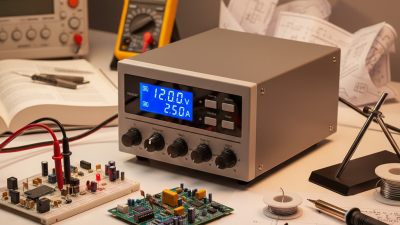
In the realm of electronics, selecting the right power supply can shape the success of your project. A DC power supply stands out for many reasons. Unlike AC power supplies, DC power supplies provide a steady and reliable voltage. This stability is crucial for sensitive components. Choosing the right voltage is vital for optimal performance.
Using a DC power supply also simplifies circuit design. It minimizes noise and fluctuations. This is especially helpful when working with microcontrollers and sensors. A consistent power source ensures that these components function accurately. However, not all DC power supplies are created equal. Understanding the specifications and features of different models is essential.
While many tech enthusiasts may overlook the significance of power choices, it is necessary to recognize their importance. Investing time in choosing a quality DC power supply can prevent potential project failures. Success in electronics often hinges on the details. Pay attention to the power source, and you will reap the benefits in your projects.
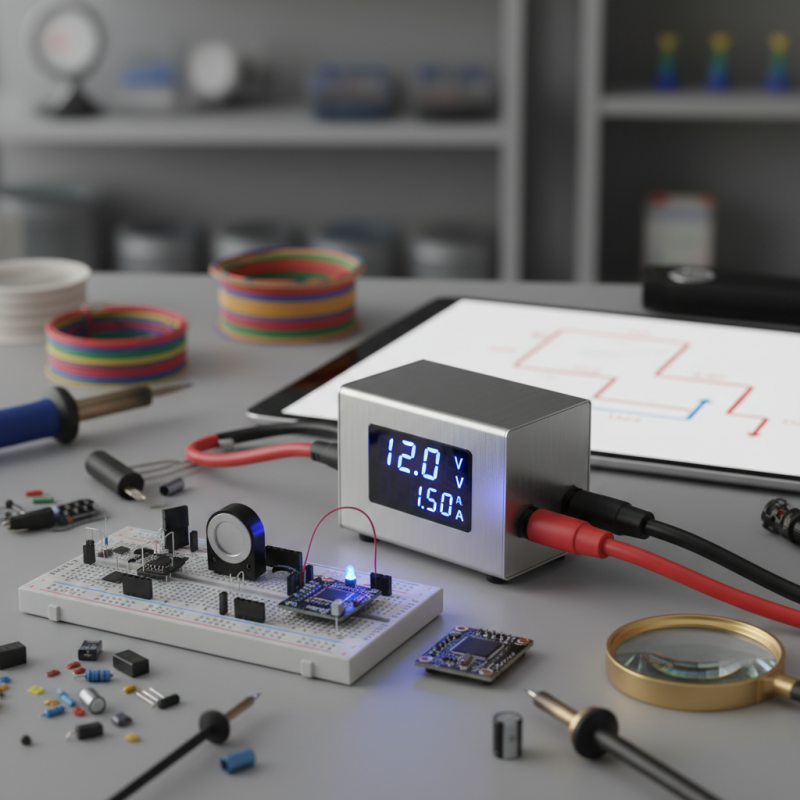
Benefits of Using DC Power Supplies for Electronic Projects
DC power supplies play a crucial role in electronic projects. They provide a stable and consistent voltage to circuits, essential for their proper functioning. Research shows that using DC supplies can increase the lifespan of electronic components by up to 30%. Unlike AC supplies, DC offers an uninterrupted flow of electricity, reducing the risk of circuit malfunctions.
One significant benefit of DC power supplies is their efficiency. According to industry reports, DC systems can achieve efficiencies of over 90%. This leads to less heat generation and lower energy costs. Moreover, many modern devices, like microcontrollers and sensors, operate specifically on DC power. This compatibility streamlines project designs and reduces complexity.
Tips: When choosing a power supply, be mindful of your project’s voltage requirements. Undervoltaging can lead to underperformance. Additionally, ensure your power supply can handle the total current draw of your components. Watching for these details can prevent common pitfalls in project design.
Comparison of DC vs. AC Power Sources in Electronics
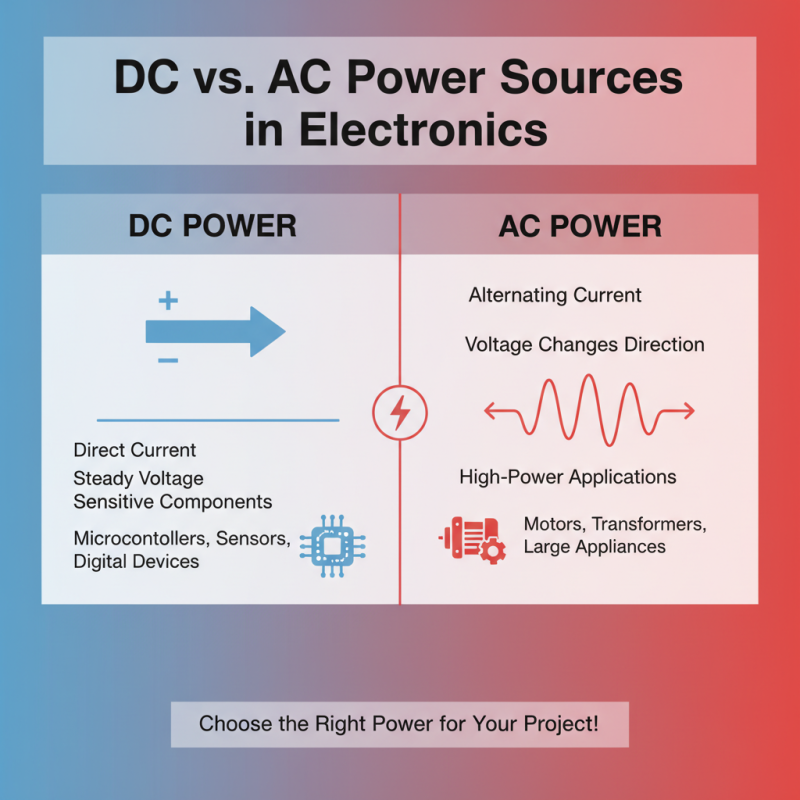
When choosing a power source for electronic projects, understanding the differences between DC and AC is essential. Direct Current (DC) provides a steady voltage, which is crucial for many sensitive components. It powers microcontrollers, sensors, and various digital devices effectively. AC, on the other hand, alternates in direction, making it suitable for high-power applications. However, it can complicate circuit design in smaller electronics.
DC is often preferred for its simplicity and efficiency. Circuits powered by DC tend to generate less heat. This can extend the lifespan of components. Many devices require a specific voltage level, which DC provides more consistently. Yet, one must consider that AC is often more efficient for long-distance power transmission.
In experimenting with both sources, I found that DC circuits are easier to troubleshoot. AC circuits sometimes present voltage spikes that can damage equipment. This unpredictability can be frustrating. While both have their advantages, mastering DC can empower hobbyists and professionals alike to create stable and reliable electronics without the hassle of dealing with fluctuating currents. Emphasizing the benefits and limits of each source leads to thoughtful design choices.
Key Specifications to Consider When Selecting a DC Power Supply
When selecting a DC power supply for your electronic projects, certain specifications are crucial. Voltage and current ratings play a vital role. A stable voltage is essential for sensitive components. Current capacity needs to match your project's requirements. Consider factors like ripple voltage, as it can affect performance. A clean output ensures devices operate smoothly.
Another important specification is the power supply's efficiency. A more efficient unit generates less heat. This can prolong its lifespan. Look for adjustable voltage settings. Being able to fine-tune the output can help you adapt to different applications easily.
Don't overlook additional features. Short-circuit protection enhances reliability. A user-friendly interface can simplify adjustments. However, beware of overly complex systems. Sometimes they can introduce unnecessary difficulties. Choosing a power supply is not purely about specifications; consider real-world applications and user experiences too.
Why Choose a DC Power Supply for Your Electronic Projects?
Common Applications of DC Power Supplies in Various Industries
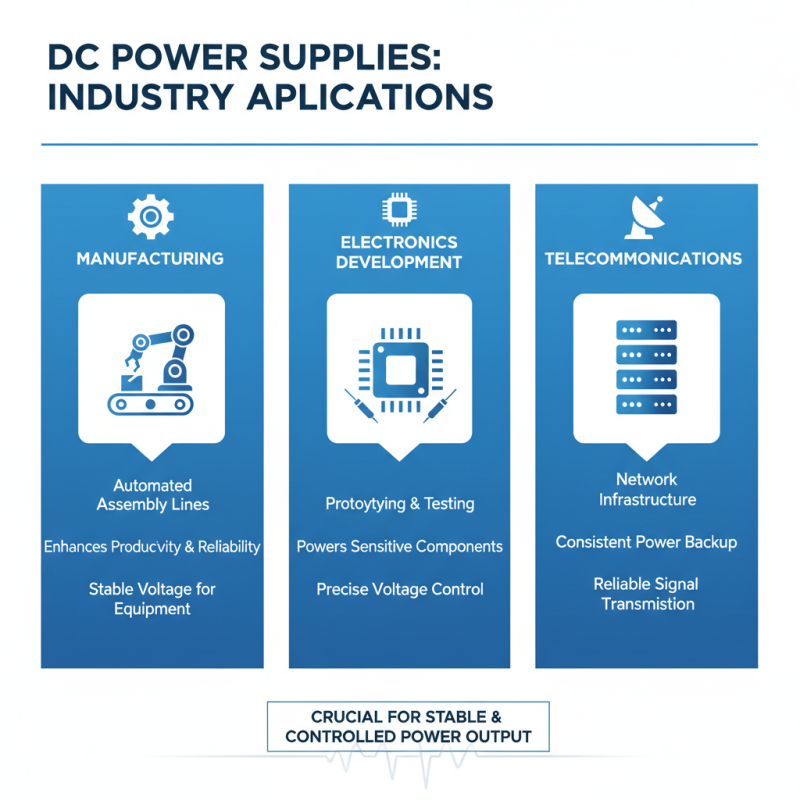
DC power supplies are crucial in various industries. They provide a stable and controlled voltage output, essential for sensitive electronic components. In the manufacturing sector, DC power supplies drive equipment like automated assembly lines. These supplies ensure that machines operate smoothly, enhancing productivity and reliability.
In the medical field, DC power is vital for diagnostic devices. MRI machines and other vital monitoring systems rely on consistent power. Any fluctuation could lead to inaccurate results or equipment failure. Similarly, the automotive industry uses DC power supplies in electric vehicle charging stations. They enable quick and efficient charging, promoting the adoption of electric vehicles.
However, relying solely on DC power has its challenges. Designing a system with adequate voltage regulation requires expertise. Additionally, users may overlook safety measures, leading to potential hazards. Furthermore, some devices may require AC power, complicating their integration into existing systems. It’s crucial to assess the specific needs of each project. Balancing reliability and flexibility is key.
Industry Trends: The Growing Demand for Efficient DC Power Solutions
The demand for efficient DC power solutions is rising in various industries. Engineers and hobbyists alike prefer DC power supplies due to their reliability and versatility. With advancements in technology, designers can now create more efficient and compact power supplies. These developments further enhance performance in electronic projects.
Tips: When selecting a DC power supply, prioritize efficiency. Look for features that minimize energy losses. Consider models with high power density, allowing for smaller footprints. You may find that the right power supply can significantly improve device reliability.
As energy efficiency becomes more critical, sustainable practices are essential. Many businesses are now committed to reducing their carbon footprint. They often seek power supplies that align with these values. Still, it's easy to overlook the importance of energy conservation in design. Each decision impacts overall system performance. Be mindful of these factors when choosing your components.

 Products
 News
News
 Whatsapp
 Skype
Skype
 Wechat