Products
News
Whatsapp
Skype
Wechat
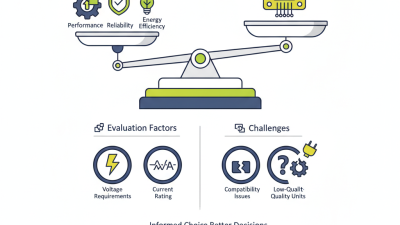
Choosing the right Switching Power Supply is essential for the stability and efficiency of electronic devices. A good power supply ensures that your equipment runs reliably and avoids unexpected disruptions. However, the market is filled with various options that can be overwhelming.
Understanding key factors will help simplify this process. Look for specifications such as output voltage, current rating, and efficiency. Often, customers focus solely on price. However, a cheap option may lead to long-term issues. Quality should not be compromised for savings.
It is important to consider the application of the power supply. Different devices have different power requirements. A mismatch can cause equipment damage. This realization should prompt deeper research. It is crucial to trust reputable brands known for their quality. Ultimately, making an informed decision will result in a reliable and efficient power supply for your needs.
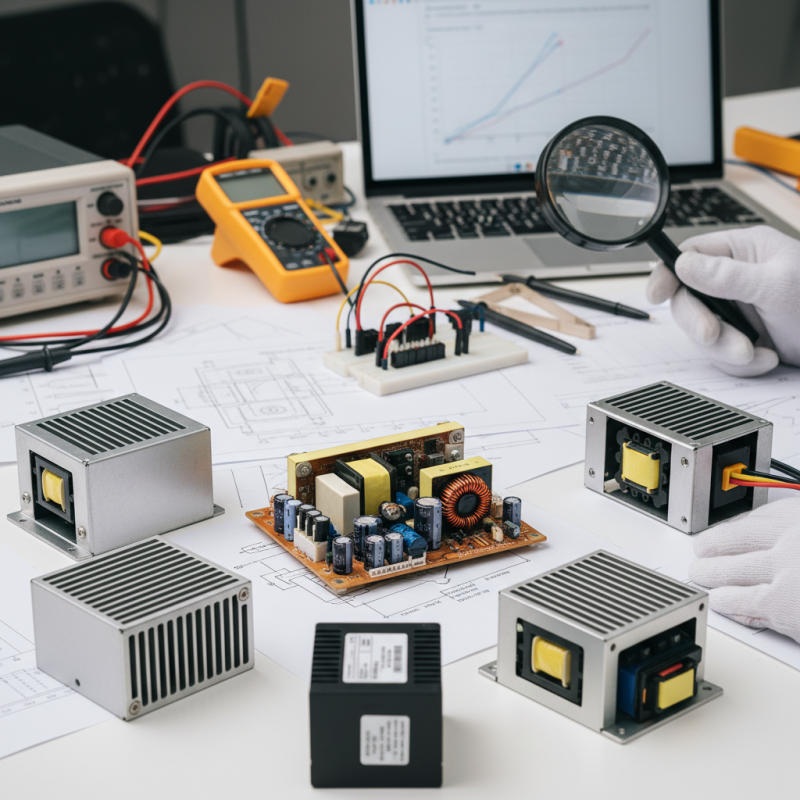
Switching power supplies, or switch-mode power supplies (SMPS), are vital components in modern electronic devices. They convert electrical power efficiently, reducing energy loss. Understanding their basics is crucial for anyone involved in electronics. The key feature of SMPS is their ability to manage voltage and current with precision. This helps in achieving stable power output for sensitive devices.
It's important to grasp the various topologies of switching power supplies. Buck converters, boost converters, and flyback converters all serve different functions. Each topology has unique characteristics and applications. Choosing the right one depends on the specific requirements of your project. Many users overlook factors such as load regulation, ripple voltage, and efficiency. These aspects significantly impact the performance of the power supply.
The materials used in their construction are also worth noting. Quality components enhance reliability and lifespan. However, low-cost options may save money upfront but could lead to failures. Therefore, it's essential to weigh the trade-offs. Rushing into a decision without proper research can result in regrets. Take time to review specifications closely. Understanding these basics can lead to better choices in the long run.
| Tip | Description | Considerations | Typical Applications |
|---|---|---|---|
| 1. Determine Voltage Requirements | Identify the voltage needed for your application. | Consider if the voltage can vary. | Consumer electronics, IoT devices |
| 2. Calculate Current Demand | Assess the total current your device will draw. | Make sure to account for peak loads. | Industrial machinery, automotive systems |
| 3. Assess Efficiency Ratings | Look for high efficiency ratings to reduce power loss. | Consider environmental impact and heat generation. | Server farms, renewable energy systems |
| 4. Evaluate Size and Form Factor | Choose a power supply that fits your space constraints. | Consider airflow and cooling requirements. | Compact devices, drones |
| 5. Inspect Protection Features | Check for built-in protections against overvoltage, overcurrent, and short circuits. | Review the reliability of the components used. | Critical applications, medical devices |
| 6. Consider Operating Temperature Range | Assess where the power supply will be used. | Ensure reliability in extreme conditions. | Outdoor equipment, automotive applications |
| 7. Look for Certification Labels | Choose units with relevant certifications for safety and efficiency. | Verify adherence to safety standards. | Consumer electronics, industrial applications |
| 8. Review Input Voltage Range | Make sure it can accept the voltage from your power source. | Check compatibility with different power supplies. | Global applications, mobile devices |
| 9. Assess Output Ripple and Noise | Evaluate the cleanliness of the output signal. | Important for sensitive electronics. | Audio systems, RF applications |
| 10. Compare Costs and Features | Balance the features required against your budget. | Look for long-term value rather than just upfront cost. | General use, hobby projects |
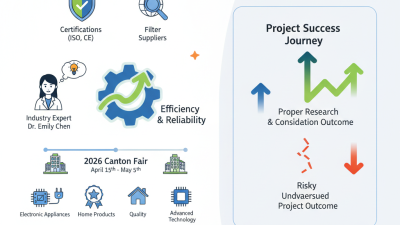
Choosing the right switching power supply can be daunting. Key specifications are crucial in making an informed decision. Start with output voltage and current. Ensure they match your requirements. Over-specifying can waste energy, while under-specifying leads to inadequate performance.
Efficiency ratings play a pivotal role. A power supply with a high efficiency reduces heat and energy costs. Look for certifications indicating reliability. Moreover, consider the load regulation. This affects how well the supply performs under varying loads. Poor regulation can cause fluctuations, impacting your device's performance.
Next, examine physical size and cooling options. Compact designs may save space but might compromise airflow. This could lead to overheating. Additionally, check for necessary protection features like short-circuit or over-voltage protection. These are indicators of a robust power supply.
Consider your future needs as well. A supply with expandable capabilities can be beneficial down the line, but it might be tempting to overspend on features you currently do not need.
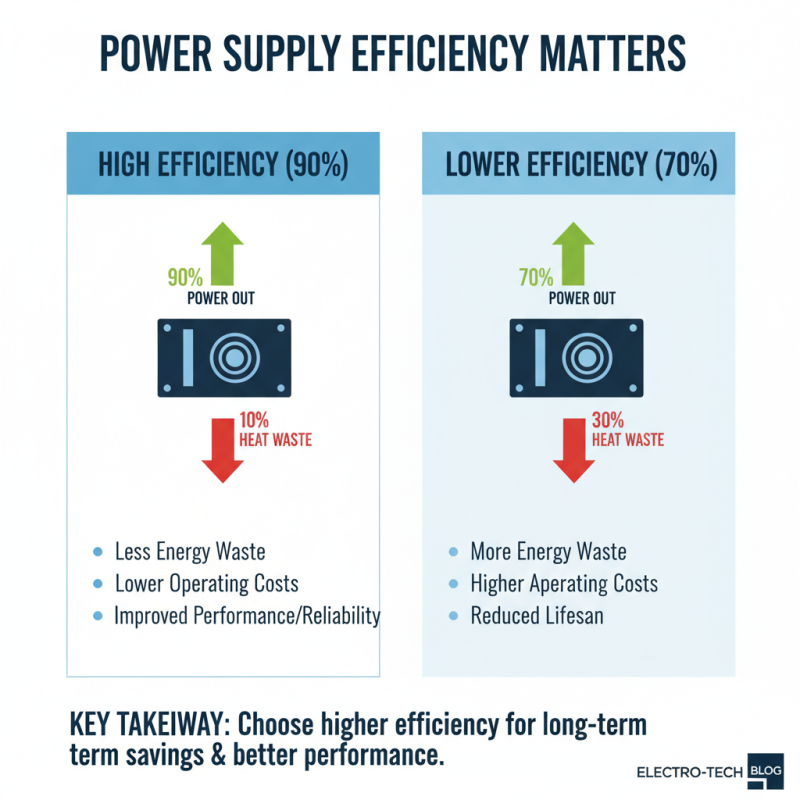
When selecting a switching power supply, efficiency ratings cannot be overlooked. Efficiency describes how well the supply converts input power into output power. Higher efficiency means less energy waste, which is crucial for both performance and cost savings. A supply with 90% efficiency wastes only 10% of energy as heat, while a 70% efficient supply loses 30%. This significant difference impacts long-term operation costs.
It's essential to consider how efficiency affects various components. A highly efficient power supply tends to operate at lower temperatures, prolonging the lifespan of electronic devices. However, achieving high efficiency often involves complex designs, which can lead to higher initial costs. Consider this trade-off carefully. Your budget should reflect both the initial investment and the potential savings over time.
Moreover, some manufacturers might inflate efficiency ratings. Always look for independent certifications to verify claims. Check energy standards relevant to your region, such as those set by environmental agencies. Authentic certifications ensure reliability, which is crucial for your trust in the product. Balancing efficiency and cost may seem daunting, but it's a necessary step for optimal decision-making.
Choosing the right output voltage and current is crucial for selecting a switching power supply. The output voltage must match your device’s requirements. A mismatch can lead to poor performance or damage. According to industry reports, 70% of power supply failures are due to incorrect voltage levels. Assess your device specifications carefully. Identify the nominal voltage and any tolerances.
When evaluating current requirements, ensure that the power supply delivers sufficient amperage. It’s essential to consider the maximum load your device may draw. Inadequate current can cause unstable operation. Some calculations can help. For instance, if your device pulls 2A at 5V, you’ll need a supply that can deliver at least 10W. Always include a safety margin; a 20% buffer is common.
Tip: Don't ignore ripple voltage. It's essential to understand ripple specifications for sensitive electronics. High ripple can reduce the lifespan of components. Another helpful consideration is the power supply's efficiency rate. Higher efficiency means less wasted energy, leading to lower heat output and better reliability. Regularly reviewing specifications and performance data is key to making informed decisions.
When choosing a switching power supply, safety standards and certifications play a crucial role. Many professionals recommend looking for certifications from recognized entities like UL, CE, and IEC. These certifications indicate that the product has undergone rigorous testing for safety and reliability. According to industry reports, 30% of power supply failures are attributed to poor safety standards. This translates to significant costs in repairs and downtime.
It's essential to assess the quality of components used in these power supplies. Some manufacturers may cut corners to reduce costs, compromising safety. A report from the International Electrotechnical Commission notes that faulty components contribute to over 50% of power supply malfunctions. This raises concern about potential hazards, such as electrical fires or damage to connected devices.
While certifications provide some assurance, it’s vital to understand their limitations. Not all manufacturers adhere to the same quality control processes. Some certifications may be more rigorous than others. Conducting thorough research and consulting industry reports can help identify the most reliable options on the market. Focus on finding products that not only meet safety certifications but also use high-quality components to ensure long-term performance.