Top 10 Benefits of Switching Power Supply for Modern Electronics?
In today's rapidly evolving electronics landscape, the role of the Switching Power Supply cannot be underestimated. Industry expert Dr. Emily Turner, a leading figure in power electronics, emphasizes, "Switching Power Supplies are critical for enhancing efficiency in modern devices." This statement underscores the growing significance of this technology in various applications, from consumer electronics to industrial machinery.
Switching Power Supplies offer numerous benefits that cater to contemporary demands for efficiency and compact design. They minimize energy loss and maximize performance, making them essential in our energy-conscious world. The shift towards these power supplies is not merely a trend but a necessity.
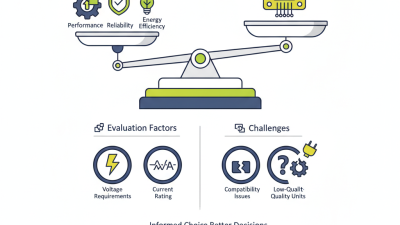
However, the transition to Switching Power Supplies is not without challenges. Some engineers, while embracing this technology, also acknowledge the need for careful integration and design considerations. The balance of power, size, and thermal management poses hurdles that require expertise. In this dynamic field, understanding these complexities can lead to better outcomes. The advantages of Switching Power Supplies far outweigh the obstacles, promising a brighter future for electronics.
Top 10 Benefits of Switching Power Supply for Modern Electronics
Switching power supplies have transformed modern electronics. Their compact size and efficiency make them ideal for various applications. Unlike traditional linear power supplies, they convert energy with minimal heat loss. This efficiency allows for longer battery life in portable devices. For instance, laptops and smartphones benefit greatly, running longer on a single charge.
Another advantage is their adaptability. Switching power supplies can handle a wide range of input voltages. This feature is crucial in global markets, where power standards vary. Additionally, they often come with built-in protections against overvoltage and overheating. This enhances device reliability over time. However, some may argue they introduce electromagnetic interference. It’s a valid concern that requires careful design and filtering.
Moreover, the reduction in weight is notable. Many modern gadgets enjoy a sleeker profile due to less bulky components. Yet, this also raises the question of durability. Are lighter supplies less resilient? It’s a trade-off that manufacturers must consider. Balancing performance and longevity remains a challenge in design. Adopting switching power supplies is a progressive choice, but it requires thoughtful implementation.
Top 10 Benefits of Switching Power Supply for Modern Electronics
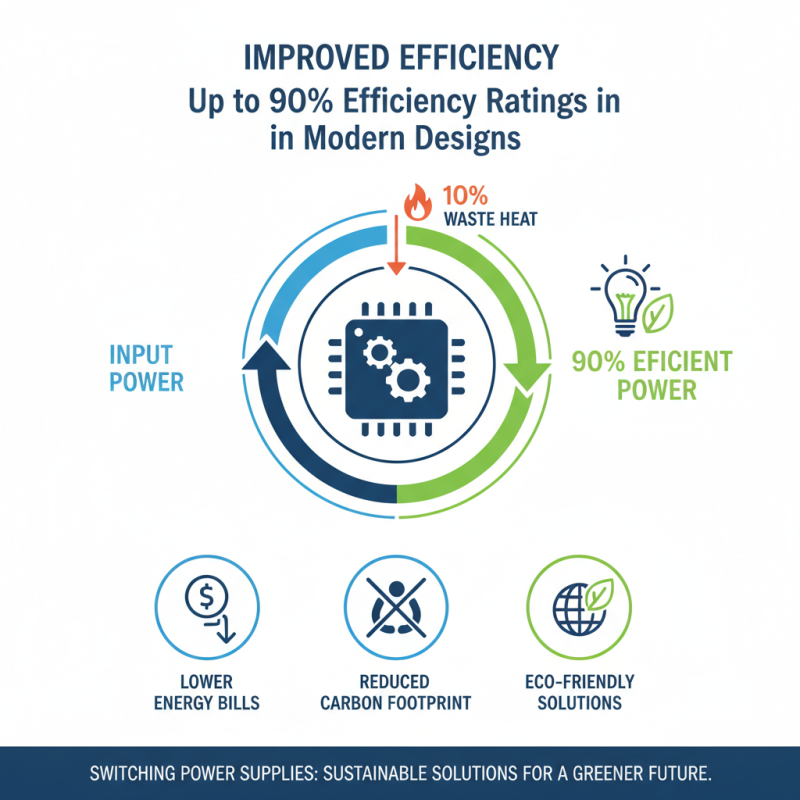
Improved Efficiency: Up to 90% Efficiency Ratings in Modern Designs
Switching power supplies have surged in popularity due to their impressive efficiency ratings. Modern designs often achieve around 90% efficiency. This means less energy is wasted as heat. Such efficiency contributes to lower energy bills and a reduced carbon footprint. In a world striving for sustainability, these devices meet the demand for eco-friendly solutions.
However, achieving high efficiency in switching power supplies isn't without challenges. Designers must balance components carefully to maintain performance. Inadequate designs may struggle, resulting in overheating or reduced lifespan. Efficient cooling systems become essential to combat these issues. Regular updates in technology can help mitigate such weaknesses, providing better reliability over time.
Moreover, while the efficiency gains are notable, they still can sometimes compromise power quality. Users may experience voltage fluctuations under varying loads. Awareness of these potential drawbacks is crucial for consumers. Proper selection and implementation of switching power supplies can enhance performance while reducing risks. Emphasizing education and understanding will help users maximize the benefits of these modern power solutions.
Compact Design: Space-Saving Advantages Over Linear Power Supplies
The compact design of switching power supplies offers significant space-saving advantages over traditional linear power supplies. Modern electronics require ever-tightening spaces. With a size reduction of up to 50%, switching power supplies fit seamlessly into compact devices. This is particularly important in sectors like consumer electronics, where miniaturization is key.
Switching power supplies also provide higher efficiency rates, often exceeding 85%. According to industry reports, this efficiency leads to lower heat generation. Less heat means smaller cooling systems, further benefiting space constraints. The trend towards smaller, integrated circuits in products like smartphones and tablets aligns with the adoption of compact power supplies. Yet, the complexity of these designs can pose challenges. Engineers must ensure reliable performance under various conditions.
Despite the advantages, some professionals voice concerns. The electromagnetic interference (EMI) generated by switching supplies can impact sensitive equipment. While solutions exist, they require careful design choices. Balancing performance and reliability takes experience. Ultimately, the compact nature and efficiency of switching power supplies significantly enhance modern electronic designs, but careful consideration is essential for successful implementation.
Reduced Heat Generation: Thermal Management in Switching Supplies
The shift to switching power supplies has significant implications for thermal management in modern electronics.
Traditional linear power supplies generate excessive heat, impacting device efficiency and longevity.
In contrast, switching supplies operate at higher frequencies, reducing heat generation. According to a report by
the International Electrotechnical Commission, switching supplies can improve heat efficiency by as much as 90%.
This enhanced efficiency minimizes the need for bulky heat sinks and cooling systems.
However, managing low heat output does present challenges. While switching supplies reduce heat, they can introduce
electrical noise and require careful design to prevent interference with sensitive components.
Notably, 15% of engineers express concerns about electromagnetic interference in switching supplies,
suggesting the need for ongoing testing and refinement in designs. Additionally, while these supplies reduce thermal loads,
their higher complexity necessitates sophisticated monitoring systems.
Engineers must balance these benefits and potential drawbacks. The reduction in heat generation is commendable,
but it does not eliminate the need for robust thermal management strategies. Adopting switching power supplies means rethinking
thermal design approaches, ensuring that devices not only operate efficiently but also remain reliable under varying load conditions.
Cost-Effectiveness: Long-Term Savings on Energy and Maintenance
When considering modern electronics, the choice of power supply is crucial. Switching power supplies offer notable cost-effectiveness that can lead to significant long-term savings. A study by the U.S. Department of Energy revealed that using high-efficiency power supplies can reduce energy consumption by as much as 30%. This reduction translates directly into lower electricity bills, making switching power supplies a financially wise decision.
Maintenance costs also decrease when switching power supplies are implemented. According to industry reports, these devices have a lower failure rate and a longer lifespan compared to traditional power supplies. This reliability means less frequent replacements and fewer maintenance checks. However, it is essential to note that initial setup can be more complex and may require specialized knowledge. Some businesses might underestimate the upfront investment, leading to sudden costs they did not anticipate.
Moreover, while many users celebrate the advantages, there can be challenges. The efficiency gains may not be apparent in less demanding applications. Evaluating the true cost-effectiveness of switching power supplies requires careful analysis of specific needs. Understanding power requirements and usage patterns is crucial to achieve the anticipated savings. Ignoring these factors might lead companies to overlook the potential benefits of switching power supplies.
Conclusion
Switching Power Supplies offer numerous advantages for modern electronics, making them an ideal choice for today's energy-efficient designs. One of the most significant benefits is their improved efficiency, boasting up to 90% efficiency ratings, which translates to lower energy consumption. Additionally, their compact design allows for space-saving solutions compared to traditional linear power supplies, making them suitable for various applications where space is limited.
Moreover, Switching Power Supplies generate less heat, leading to better thermal management and prolonged device life. This efficiency contributes to cost-effectiveness, providing long-term savings on energy and maintenance expenses. Lastly, their enhanced voltage regulation ensures a stable output, critical for sensitive electronic devices that require reliability and precision. Overall, the adoption of Switching Power Supplies represents a forward-thinking move for electronics manufacturers aiming to optimize performance and sustainability.

 Products
 News
News
 Whatsapp
 Skype
Skype
 Wechat