Leave Your Message

China Top 10 Supply Power Innovations Changing the Energy Landscape?

China's energy landscape is undergoing a significant transformation. Innovations in Supply Power are at the heart of this shift. As the world's largest energy consumer, China is exploring advanced technologies and renewable sources to meet its demands.

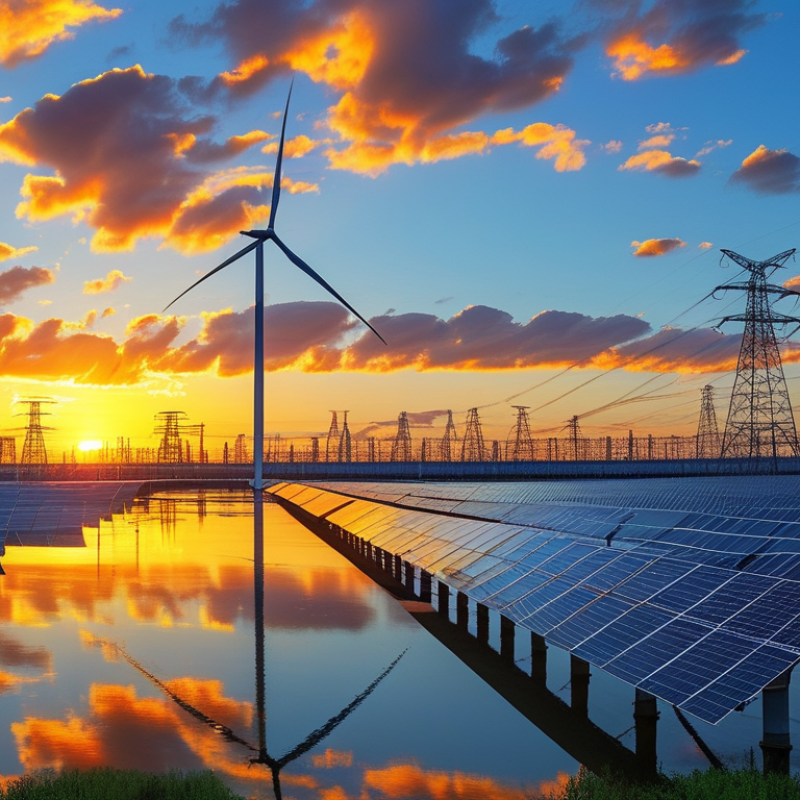
One major focus is the integration of solar and wind power into the traditional grid. These renewable sources are now more efficient and can be scaled rapidly. However, challenges remain in energy storage and grid reliability. Striking a balance between supply and demand is critical.

Additionally, China's push for electric vehicles (EVs) creates new Supply Power requirements. This shift offers both opportunities and difficulties. Infrastructure development lags in some areas, leading to potential supply gaps. Companies must innovate continuously to ensure reliability and sustainability in their operations. As the market evolves, the importance of a resilient and adaptable Supply Power system cannot be overstated.
China Top 10 Supply Power Innovations Changing the Energy Landscape?

Innovative Renewable Energy Technologies in China’s Power Sector

China's power sector is rapidly transforming with innovative renewable energy technologies. In 2022, the country led the world in renewable energy capacity, boasting over 1,200 gigawatts of installed renewable power. Solar energy, wind power, and hydropower dominate this landscape. However, challenges remain in integrating these technologies into the existing grid infrastructure.

The growth of solar PV has been astonishing. In 2021 alone, China accounted for about 50% of global solar installations. Government incentives have significantly propelled this growth. Yet, a recent report highlighted that over 30% of solar capacity remains underutilized due to grid limitations. Efficient energy storage solutions are crucial for harnessing this potential.

Wind energy is also on the rise. China's offshore wind power installed capacity surpassed 28 gigawatts by the end of 2022. However, experts point out that the development of onshore wind farms often faces local opposition. Navigating regulatory hurdles is essential for future expansion. As these technologies mature, continuous investment and innovation are required to overcome existing barriers and enhance reliability in energy supply.

China's Top 10 Innovations in Renewable Energy Technologies

Advancements in Energy Storage Solutions Transforming Electricity Supply

The advancements in energy storage solutions are reshaping the electricity supply landscape in China. As renewable energy sources increase, reliable storage becomes critical. Technologies like lithium-ion batteries and flow batteries are leading the charge. These innovations absorb excess energy during peak production and release it during demand peaks.

However, not all developments are without challenges. The cost of manufacturing energy storage systems remains high. Additionally, concerns about recycling old batteries and environmental impacts are crucial. Achieving sustainable production methods is an ongoing struggle. Innovation must balance performance with ecological responsibility.

Moreover, the electricity supply chain is evolving. Smart grids are integrating these storage solutions to enhance energy distribution. Data analytics and AI optimize energy use, but the implementation can be complex. Stakeholders face logistical hurdles in transitioning to these advanced systems, indicating a need for ongoing collaboration within the industry.

Integration of Smart Grids and Their Impact on Energy Management

The integration of smart grids is revolutionizing energy management in China. These systems enable real-time monitoring and control of energy usage. According to the China Electric Power Research Institute, smart grids can reduce energy losses by up to 15%. This significant reduction is crucial, considering China’s energy consumption is projected to grow by 3% annually over the next decade.

One striking feature of smart grids is their ability to communicate with consumers. Homeowners can receive instant feedback on their energy usage patterns. This empowers them to make informed decisions. However, this technology is still in its infancy in many regions. Barriers such as high infrastructure costs and cybersecurity concerns need addressing. Deloitte reports that 62% of energy companies cite these issues as major challenges.

Despite these hurdles, smart grids promise a more sustainable future. They can facilitate the integration of renewable energy sources. This transition is vital, as China aims to reach peak carbon emissions by 2030. Yet, the efficacy of such systems rests on continuous improvement. There is room for refining data analytics and enhancing grid resilience. Without ongoing efforts, the full potential of smart grids might remain unfulfilled.

Emerging Market Trends in China's Energy Transition Strategies

China is actively shaping its energy landscape through innovative supply power strategies. These shifts are vital for addressing the growing energy demands of its population and economy. The country has embraced renewable sources, aiming to reduce reliance on fossil fuels. This transition is driven by a mix of policy reforms and technological advancements.

In recent years, wind and solar power generation have surged. Investments in grid infrastructure are crucial. However, these advancements often face challenges, such as integration issues and the uneven distribution of resources. Local governments also vary in their commitment level, which can slow progress. It’s essential to acknowledge that while the ambition is commendable, practical implementation remains complex.

Tips for better understanding this transition include staying informed about local energy policies. Engaging with community initiatives can provide insights into emerging trends. Understanding the balance between innovation and practical application is key. Observers must recognize that not all strategies yield immediate success. Critical thinking about these developments can foster a clearer vision of China’s energy future.

Government Policies and Their Role in Power Innovation Development

Government policies play a crucial role in shaping the energy landscape in China. Recent changes aim to enhance renewable energy adoption. This includes significant funding for solar, wind, and hydropower projects. The government's commitment reflects a broader understanding of environmental impacts and energy security.

Moreover, policy incentives attract private investments. Tax breaks and subsidies for green technology drive innovation in power supply. However, not all policies have met their goals effectively. Some regional disparities in implementation highlight ongoing challenges. These inconsistencies can undermine progress in energy transition.

The push for decarbonization also faces resistance. Traditional energy sectors argue for transitional supports. Balancing economic growth with sustainable practices remains a pressing issue. Policymakers must refine their strategies. This ensures a robust framework for future energy innovations.

China Top 10 Supply Power Innovations Changing the Energy Landscape

Innovation Type Description Impact on Energy Supply Government Policy Support
Solar Power Technology Advancements in photovoltaic efficiency and solar panel production. Increased solar capacity and reduced costs. Subsidies for solar installations and R&D funding.
Energy Storage Solutions Improved battery technologies for renewable energy storage. Enhanced grid stability and renewable energy integration. Investment in research and deployment incentives.
Smart Grid Technology Implementation of digital technology to manage electricity flow. Efficient energy distribution and reduced transmission losses. National smart grid initiatives and funding programs.
Wind Energy Innovation Advancements in turbine design and offshore wind capabilities. Expanded wind energy capacity and reduced environmental impact. Tax incentives for offshore wind farms and technological support.
Hydrogen Production Methods for efficient hydrogen production and purification. Clean fuel alternative for various applications. Government-funded pilot projects for hydrogen technologies.
Electric Vehicle Infrastructure Development of charging stations and battery swapping systems. Increased adoption of electric vehicles, reducing fossil fuel reliance. Government grants for EV infrastructure development.
Waste-to-Energy Technologies Conversion of waste materials into usable energy. Sustainable energy source and waste reduction. Supportive regulations and funding for waste conversion projects.
Carbon Capture and Storage Techniques for capturing and storing carbon emissions from power plants. Mitigation of greenhouse gas emissions. Policies encouraging carbon reduction technologies.
Geothermal Energy Utilization Extraction of heat from the earth's core for energy generation. Reliable and sustainable energy source. Research grants for geothermal exploration and technology.
Bioenergy Solutions Use of biological materials for energy generation. Carbon-neutral energy production. Incentives for biofuel technology development.