Products
News
Whatsapp
Skype
Wechat
A Switching Power Supply is easy to overlook until a server rack goes quiet, an LED driver runs hot, or a factory controller resets. These compact converters turn electrical energy into stable output, while balancing efficiency, heat, size, and reliability. The demand behind them is growing. The International Energy Agency’s Electricity 2024 report estimates that data centres used about 460 terawatt-hours of electricity in 2022, with consumption potentially exceeding 1,000 terawatt-hours by 2026. That trend makes power-conversion performance more than a component-level concern.
As Professor Robert W. Erickson’s textbook frames it, power electronics applies electronic systems to control and convert electric power. That principle helps explain why supplier comparisons should look beyond headline wattage. Thermal design matters. So do load response, protection features, certification, product lifespan, and support across regions. A datasheet may show impressive efficiency, yet performance can shift at low loads or inside a cramped enclosure. Small details count: connector spacing, fan noise, and the temperature near a metal chassis. This Top 10 Switching Power Supply Suppliers Worldwide overview is intended as a practical starting point, not a universal ranking. Supplier strengths vary by application and market. No list captures every exception. The evidence also changes as product lines and manufacturing footprints evolve. Use the comparison to identify candidates, then verify specifications and service availability for your actual operating conditions.
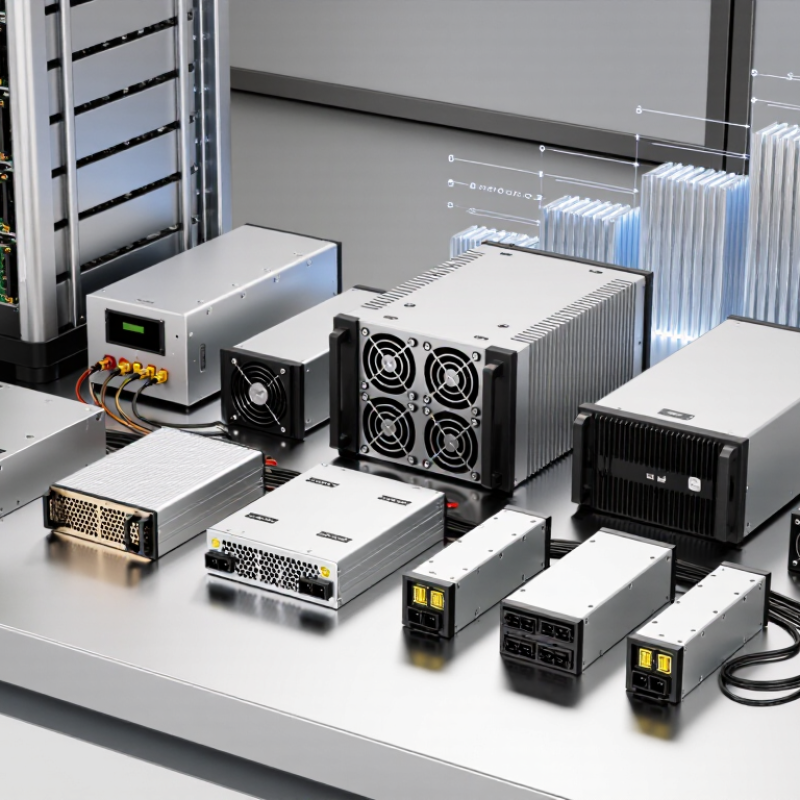
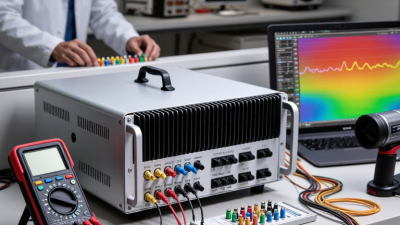
A switching power supply converts incoming electrical power into a controlled voltage and current for a device. It rapidly turns semiconductor switches on and off, then uses magnetic components, filtering, and feedback to shape the output. That sounds simple. In practice, the circuit must balance efficiency, heat, electrical noise, and stable regulation. A compact unit may run cool under one load but become warm inside a closed cabinet. Noise can also interfere with sensitive sensors if filtering or wiring is poorly matched.
These supplies are used in industrial control panels, network equipment, LED lighting, medical devices, and consumer electronics. A factory controller might need steady low-voltage power beside motors that create electrical disturbances. A router needs a compact supply that can operate for long periods without excessive heat. Lighting systems may require smooth output to reduce visible flicker. The right design depends on the input range, load changes, operating temperature, and available space.
When comparing suppliers, engineers often check efficiency data, protection features, thermal performance, and clear technical documentation. They also consider whether a supply can handle brief startup surges, not just its stated continuous load. Datasheets help, but real installation conditions can differ from test setups. A careful review of wiring, ventilation, and actual load behavior is still necessary.
Switching power supplies convert electrical power using high-frequency switching circuits. The entries below describe ten common supplier specializations worldwide; they are product categories, not a ranked list of companies.
| No. | Supplier Specialization | Typical Product | Common Characteristics | Where It Is Used |
|---|---|---|---|---|
| 1 | Open-frame AC-DC power supplies | Board-mounted or chassis-mounted AC-DC units | Uncovered construction; designed for integration inside equipment enclosures. | Industrial controls, test equipment, and embedded electronics. |
| 2 | Enclosed AC-DC power supplies | Metal-cased power units, often with screw terminals | Protective enclosure; available in common DC output voltages such as 12 V and 24 V. | Factory equipment, access control, and general-purpose electronics. |
| 3 | DIN-rail power supplies | Rail-mounted AC-DC units | Designed to clip onto standard DIN rails in electrical cabinets; commonly offered with 24 V DC output. | Automation panels, building controls, and process instrumentation. |
| 4 | External AC-DC adapters | Desktop adapters and wall-plug power supplies | Enclosed external units with a mains input and a low-voltage DC output; output connectors vary by application. | Consumer electronics, networking devices, and small office equipment. |
| 5 | LED driver suppliers | Constant-current or constant-voltage LED power supplies | Designed to regulate LED current or voltage; some models support dimming. | Commercial lighting, signage, and architectural lighting. |
| 6 | Medical-grade power supply suppliers | AC-DC supplies and external adapters for medical equipment | Selected for applicable medical electrical safety requirements and the intended equipment design. | Patient-monitoring, diagnostic, and laboratory equipment. |
| 7 | Telecom and network power suppliers | Rectifier modules and DC power systems | Often designed for telecom DC bus systems, including nominal −48 V applications. | Telecommunications facilities, network infrastructure, and data communications. |
| 8 | Server and data-center power suppliers | High-density AC-DC server power supplies | Designed for rack equipment, with attention to conversion efficiency, cooling, and power density. | Servers, storage systems, and data-center infrastructure. |
| 9 | DC-DC converter suppliers | Isolated or non-isolated DC-DC modules | Convert one DC voltage level to another; module formats support compact system integration. | Telecom equipment, embedded systems, vehicles, and industrial electronics. |
| 10 | High-power industrial supply suppliers | High-output AC-DC units and configurable power systems | Built for larger loads; some product families offer multiple outputs or system-level monitoring. | Manufacturing machinery, battery systems, and industrial test equipment. |

Ranking global switching power supply suppliers requires more than comparing catalog prices or headline efficiency figures. A credible review weighs electrical performance, manufacturing consistency, safety documentation, delivery resilience, and technical support. These measures should be checked across comparable power ranges and operating conditions, not mixed indiscriminately. Details matter. A unit that runs efficiently at moderate load may behave differently near its thermal limit.
Evaluators can examine published test data, certification records, warranty terms, and field feedback from system integrators. They should also assess input-voltage tolerance, ripple, protection behavior, acoustic noise, and performance after temperature cycling. No single metric tells the full story. Supplier capacity and regional service coverage affect real-world reliability, while lead times can shift during component shortages. Rankings should use weighted criteria, disclose their limits, and separate verified evidence from supplier claims. Still, evidence is uneven. Some suppliers publish detailed test conditions; others provide only summary figures. That gap should lower confidence, but it does not automatically prove poor quality. A ranking is a guide for shortlisting, not a substitute for testing the exact model in its intended enclosure and duty cycle.
Illustrative weighting for a supplier evaluation framework. These percentages represent assessment priorities, not audited supplier scores, market shares, or a ranking of specific companies.
A consistent comparison can consider product quality and compliance, engineering capability, global support, manufacturing capacity, product range, and sustainability. Actual rankings depend on verified supplier-specific evidence and the requirements of the buyer.
Profiles of the Top 10 Switching Power Supply Suppliers Worldwide
A global supplier landscape includes specialists with different strengths, not one universal leader. One profile focuses on compact adapters for routers and consumer devices. Another builds high-density units for server racks, where airflow and thermal control matter. A third serves factory automation, emphasizing stable output during changing loads. A fourth designs rugged supplies for transport and outdoor equipment. A fifth supports medical applications, where isolation and careful documentation are essential. These profiles reflect distinct capabilities, not a fixed ranking.
Tips: Compare the exact model, not just the supplier. Check efficiency data, operating temperature, protection features, warranty terms, and available technical support. Ask for test reports that match your intended load. A neat specification sheet is useful, but real installation conditions can expose gaps.
Other supplier profiles include a maker of configurable modular units for equipment builders, and a specialist in low-power standby supplies. Some focus on custom designs and close engineering collaboration. Others offer broad catalog ranges for quick replacement and procurement. A tenth profile may stand out through regional inventory and responsive service. When reviewing suppliers, confirm lead times and component traceability in writing. Small details matter. A supplier’s strengths can vary by product line, so verify each claim against the specific model you plan to use.
Across a global top-ten supplier comparison, product ranges commonly span compact AC-DC converters, enclosed industrial units, DIN-rail supplies, and configurable high-power systems. The strongest portfolios match voltage, output power, and protection features to real operating conditions. A control cabinet may need stable output through heat, vibration, and electrical noise; a medical device has different safety and leakage-current demands. Small details matter.
Industry demand is widening. The International Energy Agency’s Electricity 2024 report estimated data-centre, AI, and cryptocurrency electricity use at about 460 TWh in 2022, potentially exceeding 1,000 TWh by 2026. Its Global EV Outlook 2024 projected more than 17 million electric-car sales in 2024. These trends raise demand for efficient supplies in computing, charging infrastructure, factory automation, and transport equipment.
Technical strengths are not interchangeable. Look for documented efficiency curves, thermal derating data, protection behavior, and credible reliability testing—not just peak-efficiency claims. Suppliers serving telecom and data centres often emphasize power density and redundancy; industrial specialists may prioritize wide input ranges and long service life. Yet a broad catalogue does not guarantee a good fit. Real installations expose compromises, especially around cooling, wiring space, and maintenance access. IEA reports describe demand, not supplier quality, so procurement teams still need application-specific validation.
Comparing switching power supply suppliers starts with the application, not the catalog. For a factory controller, check output voltage, continuous current, overload response, and performance during motor startup. A compact device may need low ripple and limited electromagnetic noise. Ask for test data at the temperatures and loads your equipment will actually face. A rated output alone tells only part of the story.
For outdoor or enclosed installations, compare operating temperature, cooling method, enclosure options, and derating guidance. In medical or transportation equipment, confirm that the supplier can provide relevant safety and quality documentation for your project. Also examine sample availability, production consistency, lead times, and technical support. These details matter when a design changes late. Supplier comparisons are rarely perfectly tidy; a strong specification can still leave unanswered questions about long-term availability.
Tips: Send each candidate the same load profile and operating conditions. Request ripple, efficiency, and thermal test results, then verify key figures on a sample. Ask who handles engineering questions after delivery. Don’t choose on price alone; a cheaper unit may need extra cooling or added filtering.