Products
News
Whatsapp
Skype
Wechat
Choosing a reliable Power Adapter supplier can shape product safety, delivery stability, and customer satisfaction. Global buyers often compare more than unit prices. They examine electrical performance, certification records, production capacity, warranty terms, and communication quality. A low-cost quotation may look attractive. Hidden testing gaps can become expensive later.
This guide introduces ten Power Adapter suppliers serving international markets. The selection focuses on practical sourcing evidence, including product range, manufacturing experience, quality systems, customization support, and export capability. Where available, buyers should verify IEC, UL, CE, RoHS, or region-specific requirements before placing orders. Certificates deserve careful checking. Some documents may cover only selected models.
Small details matter. A dependable supplier should explain output stability, plug options, cable length, standby power, and protection features. Clear datasheets help engineers avoid mismatched voltage or connector specifications. Sample testing also reveals heat buildup, noise, packaging strength, and real charging performance. Factory photographs are useful, but they never replace an audit or inspection.
No ranking is permanently correct. Market conditions change. Supplier websites may also present incomplete information. This article therefore offers a practical starting point, not a final purchasing decision. Buyers should request recent test reports, production samples, references, and written lead-time commitments. Reliable partnerships grow through evidence, not promises. With careful comparison, procurement teams can identify suppliers that balance compliance, performance, cost, and long-term support. That balance is difficult. It is still worth pursuing.
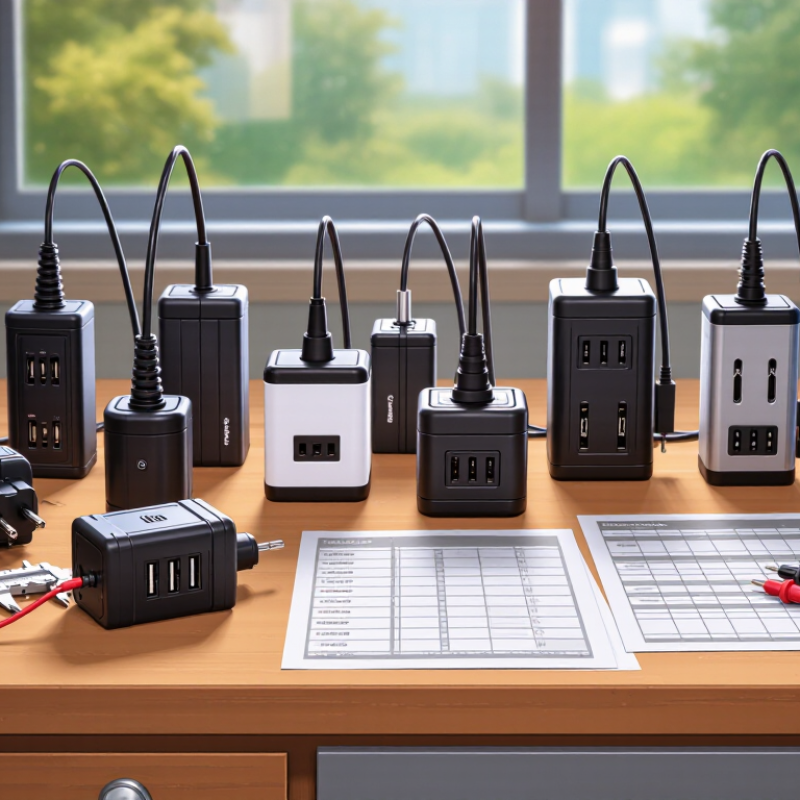
Power adapter market scope now covers home electronics, office devices, industrial equipment, and portable systems. Global buyers should define the application before comparing suppliers. A 65-watt adapter for a laptop needs different testing than a compact adapter for a router. Key specifications include input range, output stability, connector type, charging protocol, efficiency, ripple, and thermal performance. Check whether the supplier supports required regional approvals and accurate labeling.
A practical top-ten supplier review should combine technical evidence with purchasing experience. Request production samples, test reports, factory quality procedures, and traceability records. Examine minimum order quantities, lead times, packaging control, spare capacity, and warranty handling. Ask how failures are investigated. Vague answers are warning signs. A reliable supplier should explain component changes before shipment, not after complaints appear.
Factory audits can reveal soldering discipline, insulation checks, burn-in testing, and storage conditions. Yet one visit cannot prove long-term consistency. No scorecard is perfect. Buyers should test samples from different batches and repeat key measurements. Cost matters, but unstable output may damage connected equipment and increase returns. Some suppliers offer impressive documents but weak communication. That risk is easy to underestimate. A balanced evaluation should score safety, performance, delivery reliability, engineering support, and responsible sourcing. These records help buyers compare ten suppliers fairly, while leaving room for informed judgment.
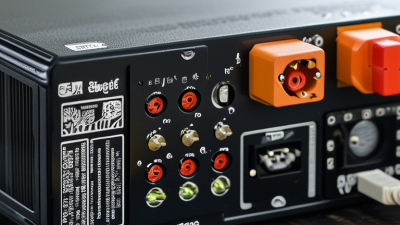
For global buyers, a power adapter’s safety record matters more than its appearance or output rating. Suppliers should provide certification documents that match the exact model, plug type, and revision. IEC 62368-1 is widely used for audio, video, and information technology equipment. IEC 61558 may apply to certain transformer-based designs. The correct standard depends on the adapter’s construction and intended use.
Look beyond a printed safety mark. Request the full test report, certificate number, issuing laboratory, and validity date. Check whether the report covers insulation resistance, dielectric strength, temperature rise, leakage current, and abnormal operation. A reliable supplier should also explain EMC compliance, energy-efficiency requirements, and material rules such as RoHS and REACH. Regional marks, including CE or UKCA, require accurate technical files and market-specific conformity procedures. They are not interchangeable.
Small details reveal manufacturing discipline. Inspect the label for voltage, current, polarity, efficiency, and manufacturer information. Ask how the supplier controls changes to components, molds, firmware, and assembly sites. A certificate can become misleading when a transformer or capacitor changes. This happens more often than buyers expect. Request samples from production, not only showroom units, and review lot traceability records. Independent laboratory testing adds confidence, especially for high-volume orders. Still, no document replaces a careful factory audit and periodic retesting. Suppliers should admit these limits clearly. That honesty is useful evidence of professional reliability.
The top ten power adapter suppliers should be judged by clear product strengths, not catalog size alone. Some specialize in compact USB-C adapters for laptops, tablets, and phones. Others focus on high-wattage models for monitors, docking stations, and networking equipment. Buyers should check output stability, connector accuracy, thermal control, and protection against overvoltage or short circuits.
In supplier evaluations, certification records matter. Reliable manufacturers can provide test reports, traceable production data, and samples from current batches. Customization is another useful strength. Experienced suppliers may adjust cable length, plug types, labeling, housing materials, or packaging for regional markets. A good sample should start smoothly, remain cool during extended use, and fit the target device without pressure.
Some suppliers stand out for fast tooling and small-batch support. Others offer stronger automation, lower defect rates, or better global logistics. Industrial buyers may prefer durable adapters with reinforced strain relief and wide operating temperatures. Retail buyers often value slim housings and quiet performance. Medical and communication equipment requires stricter documentation and consistent output.
A ranking is never perfect. Price changes, component shortages, and factory changes can affect performance over time. I would recheck samples before every major order. One overlooked connector detail can delay an entire shipment. Supplier strength is practical, measurable, and sometimes easy to misjudge.
Regional coverage matters when selecting power adapter suppliers. A factory may offer competitive pricing, yet distant delivery can increase inventory pressure. Strong suppliers maintain production or logistics support across major purchasing regions. Buyers should verify warehouse locations, export experience, response times, and local compliance requirements. Ask for recent shipment records, not only sales presentations.
Manufacturing capacity also deserves close examination. Reliable suppliers can explain monthly output, assembly lines, testing equipment, and backup production plans. An experienced engineering team should document insulation checks, temperature testing, efficiency results, and traceability procedures. Factory audits provide useful evidence, although one visit cannot reveal every weakness. Sample approval should match mass production conditions.
Customization separates capable suppliers from simple resellers. Options may include output voltage, plug formats, cable length, enclosure design, labeling, packaging, and firmware when applicable. Discuss minimum order quantities, tooling fees, sample schedules, and change-control procedures early. A supplier that promises everything deserves careful questioning. Custom work often creates delays, especially when compliance testing must be repeated. Buyers should request clear technical drawings and written production milestones. Even a strong supplier can miss a deadline or misunderstand a regional requirement. That risk should be measured, documented, and reviewed before large orders.
Top 10 Power Adapter Suppliers for Global Buyers
Price, quality control, and procurement discipline often separate reliable suppliers from risky ones. A low unit price can hide tooling fees, packaging costs, inspection charges, and expensive shipping delays. Compare landed cost, not only the factory quotation. Ask each supplier for MOQ, payment terms, lead time, warranty coverage, and replacement policies. Small details matter.
Quality control should begin with a production sample, not a sales promise. Check output voltage, current stability, plug fit, insulation, temperature rise, and cable flexibility. Request test reports, but verify critical results through independent inspection. For larger orders, require incoming material checks, assembly-line testing, burn-in testing, and lot traceability. A supplier that cannot explain failure handling may create problems later. It happens.
Procurement teams should also review factory capacity and communication speed. Ask how they manage component shortages, engineering changes, and urgent replacement orders. A written specification should identify electrical ratings, enclosure materials, labeling, packaging, and approved tolerances. Compare at least three quotations using the same specification. Otherwise, the cheapest offer may simply exclude important controls. Supplier audits can reveal crowded workstations, weak storage practices, or inconsistent inspection records. These observations are useful, but not perfect. One visit cannot prove long-term reliability, so combine audits with sample testing, shipment records, and documented corrective actions. Beware of overconfident claims. Reliable sourcing is built through evidence.