How to Choose the Right AC DC Power Supply for Your Project?
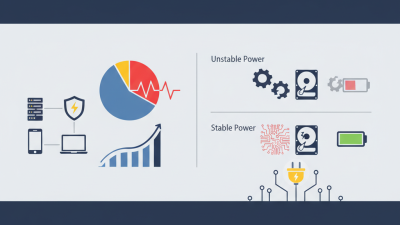
Choosing the right AC DC power supply is crucial for any project. Renowned expert in power electronics, Dr. Emily Tran, once stated, "The correct power supply can enhance efficiency and performance in any device." This principle resonates deeply in the tech industry, where the right AC DC power supply determines the success of a project.
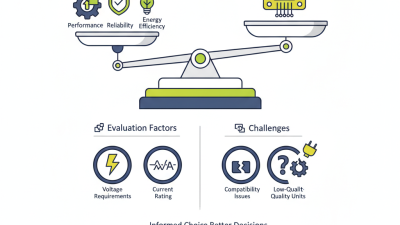
Selecting an AC DC power supply isn't straightforward. Factors such as voltage, current requirements, and efficiency ratings vary widely. Many overlook these critical specs, leading to unnecessary product failure. One wrong choice can derail your entire project, wasting both time and resources.
Consider the specific needs of your application. Look for reliability and quality in your AC DC power supply. Pay attention to component ratings. Understanding the nuances can save you from costly mistakes. In a continually evolving market, staying informed can help refine your decisions. Balancing performance and cost is essential. Be prepared to reassess your requirements as your project develops.
Understanding Voltage and Current Requirements for Your Project
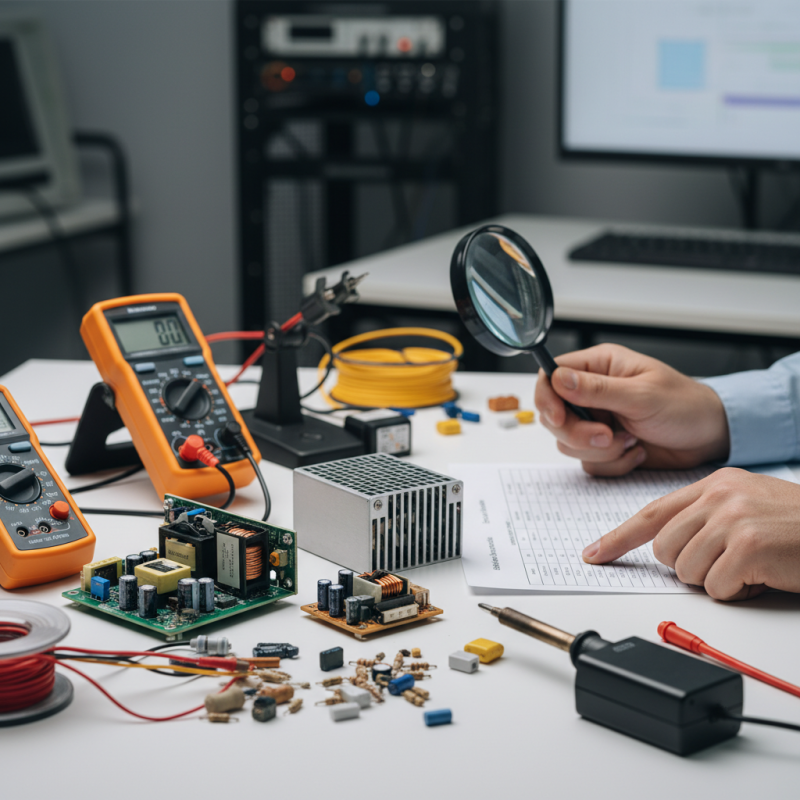
When selecting a power supply, understanding voltage and current is crucial. Each project has specific needs that dictate these requirements. Voltage is the force that pushes electrons through a circuit, while current is the flow of those electrons. A mismatch can lead to malfunction. For instance, too high of a voltage can damage a component. Too low, and it may not operate.
Consider how your project's components work together. Look at their voltage ratings and current draw. You might find that some parts require consistent voltage, while others can fluctuate. This knowledge is essential for choosing the right power supply. Over time, users often overlook these details, leading to inefficiencies or failures.
It's also wise to factor in headroom. Power supplies can be rated for continuous use or peak loads. If a project requires a spike in current, ensure your supply can handle it. Think about how that impacts overall stability. Many users fail to account for this surge potential, risking project reliability. Be meticulous in your assessment, as even small oversights can have significant consequences.
Exploring Different Types of AC DC Power Supplies Available
When selecting an AC DC power supply for your project, it's crucial to understand the various types available. Common options include linear power supplies, switching power supplies, and uninterruptible power supplies (UPS). Each type serves different needs.
Linear supplies are known for their simplicity and reliability. They often provide a clean output voltage, making them suitable for sensitive electronic devices. However, they can be bulky and inefficient. A report from the International Electrotechnical Commission states that linear supplies can waste up to 50% of energy as heat.
Switching power supplies, on the other hand, are more compact and efficient. They operate at higher frequencies and convert power with minimal loss. This can contribute to increased energy savings in projects. According to a study published by Power Sources Manufacturers Association, switching supplies account for about 80% of the market due to their versatility across various applications. Their design does introduce complexities that can lead to electromagnetic interference, which might require additional filtering.
Uninterruptible power supplies provide backup power during outages. They protect sensitive equipment from unexpected disruptions. Choosing the right UPS often involves evaluating the load requirements and desired runtime. Accurate sizing is essential. Oversizing can lead to unnecessary costs, while undersizing can cause performance issues.
Each type of power supply has unique features, along with potential drawbacks. Balancing efficiency, size, and reliability according to project needs can be a challenging endeavor.
Evaluating Efficiency Ratings and Their Impact on Performance
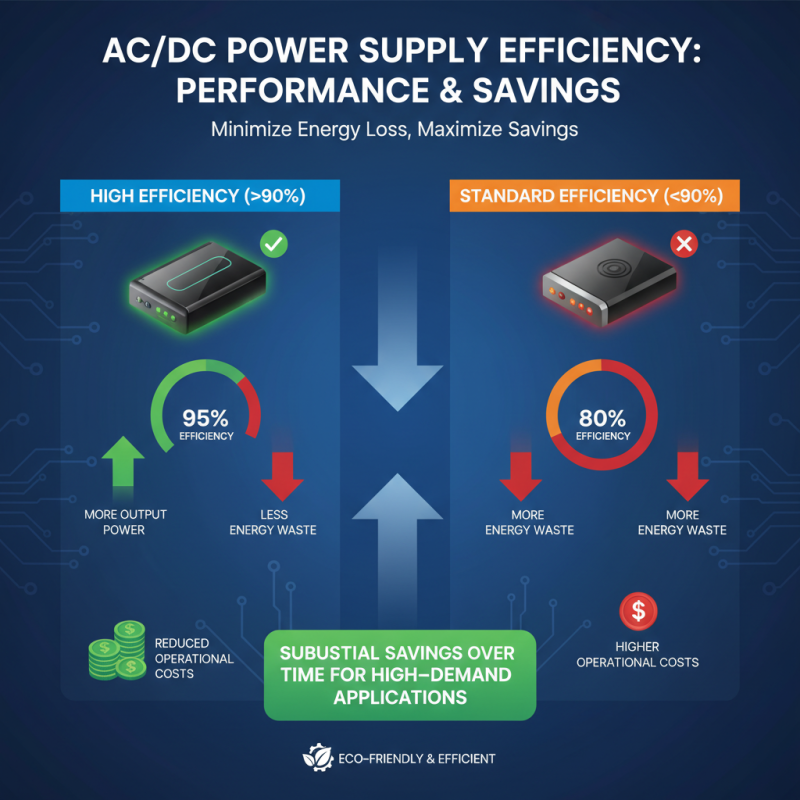
When selecting an AC DC power supply, efficiency ratings play a critical role in its performance. High-efficiency power supplies convert more input power into output power, minimizing energy loss. Reports indicate that devices with an efficiency rating above 90% can significantly reduce operational costs. For instance, a power supply operating at 95% efficiency will waste less energy than one at 80%. Over time, this can result in substantial savings, particularly for high-demand applications.
Efficiency affects not just costs but also heat generation. A less efficient power supply produces more heat, increasing cooling requirements. This can lead to additional expenses in thermal management solutions. According to research, excessive heat can shorten component lifespans by up to 50%. Hence, using a power supply with a higher efficiency rating can enhance reliability and longevity of the overall system.
Evaluating efficiency is complex. Different testing standards exist globally, which can lead to inconsistencies in reported ratings. Understanding these standards is essential for making informed decisions. Often, manufacturers may not fully disclose efficiency ratings under varying loads. This uncertainty requires careful examination of specifications, stressing the importance of transparency in performance metrics.
Assessing Form Factor and Size Constraints for Your Application
When selecting an AC-DC power supply, size and form factor play crucial roles. Many applications, such as embedded systems, have strict limitations on space. A detailed report by Power Sources Manufacturers Association indicates that nearly 75% of engineers prioritize compact designs in their projects. The challenge lies in balancing size with performance. Too often, engineers focus solely on power output, neglecting how form factor will impact the end product.
Consider the actual dimensions of your available space. If your project only allows 50mm x 50mm, you may need to explore options with integrated circuits that minimize physical footprint. For example, switching power supplies often come in smaller packages than linear ones. However, some engineers discover later that their chosen supply generates excessive heat, complicating thermal management. This reflection emphasizes the need to weigh size against potential downsides.
Each application is unique. Reviewing standards like the IEC 60950 can provide insight into safety and performance expectations related to size. Many engineers overlook such guidelines, leading to compliance issues. Always ensure that the cute form factor doesn’t compromise crucial safety measures. Ultimately, the right choice demands a balance of size, efficiency, and regulatory compliance.
Determining the Importance of Protection Features and Ratings
Choosing the right AC DC power supply can significantly impact your project. One of the most critical aspects to consider is the protection features and ratings. These attributes safeguard your circuit against potential damage from overvoltage, overcurrent, and short circuits. According to a 2022 report from the Power Supply Manufacturers Association, nearly 25% of device failures stem from inadequate protection in power supplies.
Different projects have varying requirements for protection. For instance, an industrial application might prioritize surge protection due to heavy machinery, while a consumer electronics project might focus on thermal protection. The average lifespan of a power supply can be halved if it operates without adequate safeguards. A power supply's rating can significantly influence its reliability. Ensuring that it meets industry standards, such as IEC and UL certifications, is vital. These certifications confirm the device has undergone rigorous testing.
Despite their importance, many overlook these features, leading to frequent project setbacks. In an industry survey, about 30% of engineers admitted to choosing power supplies without verifying protection measures. This oversight implies a need for greater emphasis on understanding protection ratings. For your project's success, carefully assess the necessary safeguards to prevent future failures.

 Products
 News
News
 Whatsapp
 Skype
Skype
 Wechat