
 Products
 News
News



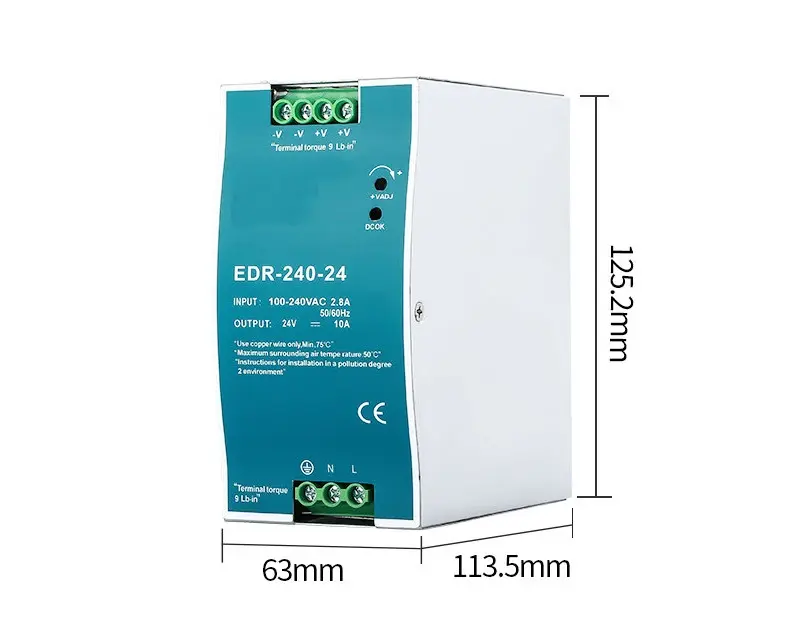
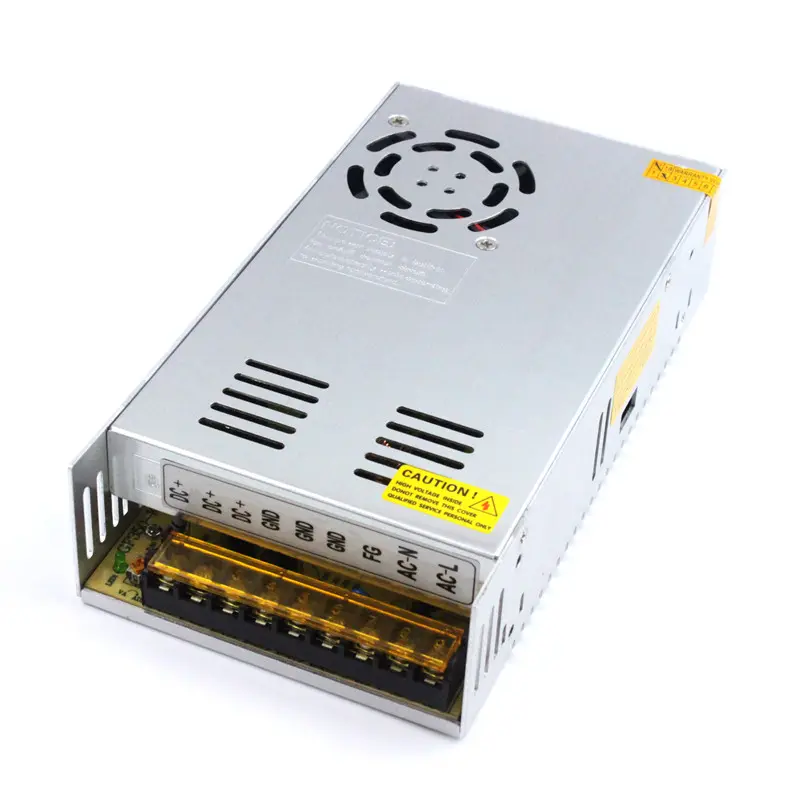
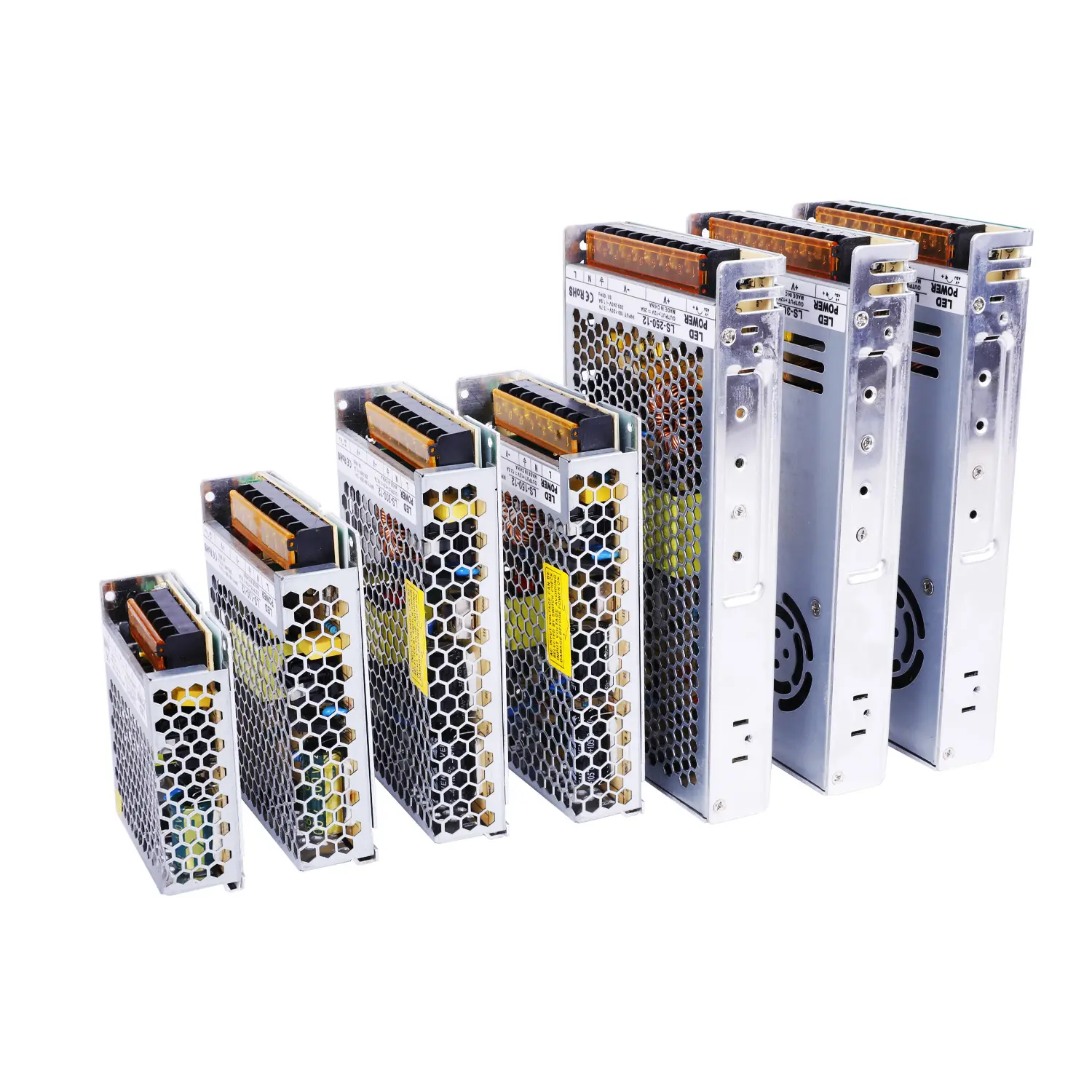
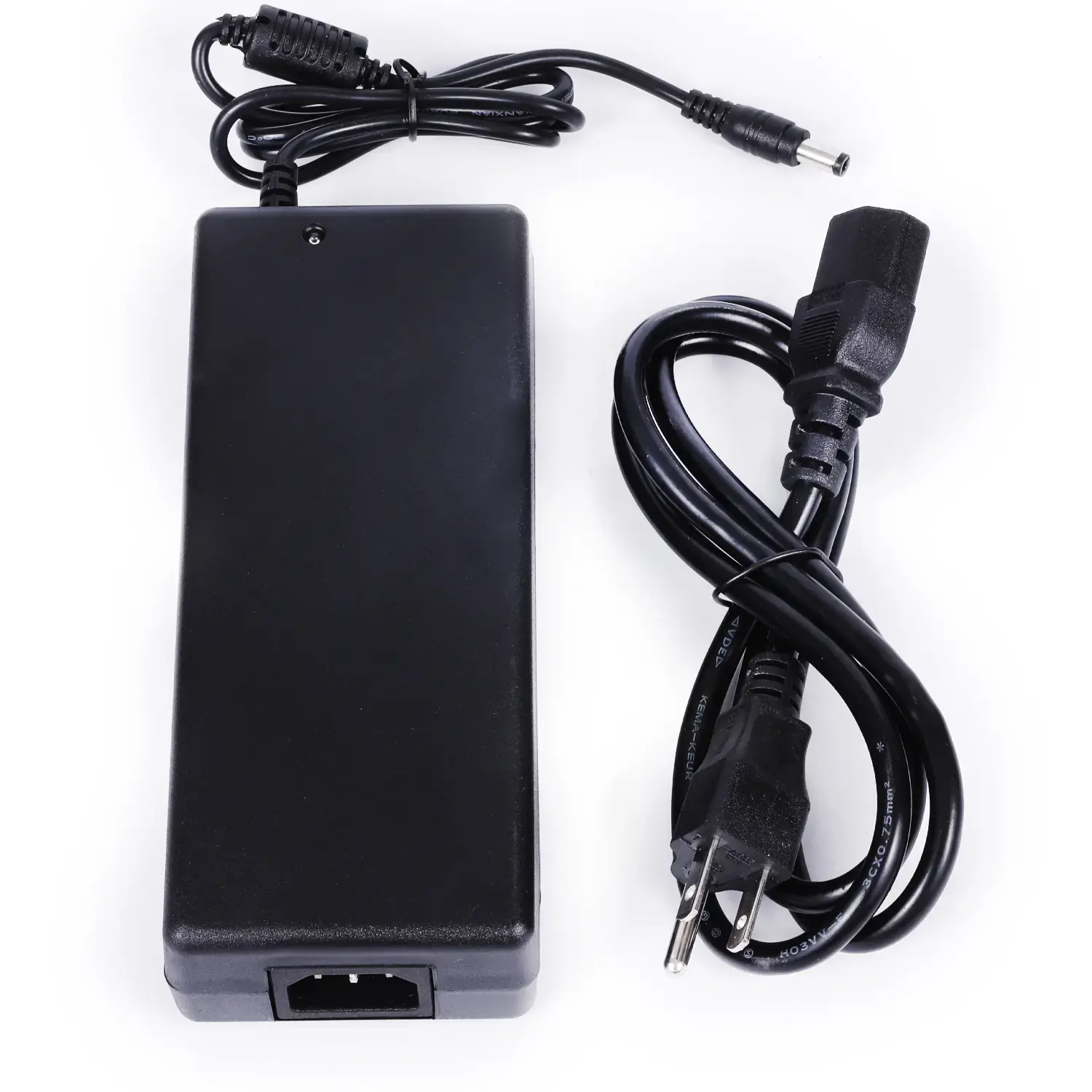
Why do we need to know the input voltage and type of the switching power supply?
Knowing the input voltage and type of the switching power supply is crucial because it directly affects the compatibility, performance, safety and stability of the overall system. Here are the specific reasons:
1. Ensure compatibility
Equipment matching: Different devices have different requirements for input voltage. If the input voltage does not match, it may cause the power supply to not work properly or even damage the device.
Global applicability: Different countries and regions have different grid voltage standards (such as 110V/120V or 220V/240V). Knowing the input voltage type (AC or DC) and range can ensure that the power supply is compatible worldwide.
2. Optimize performance
Maximize efficiency: The design of the switching power supply is usually optimized for a specific input voltage range. Working at the correct input voltage can ensure that the power supply operates at the highest efficiency and reduce energy loss.
Stability: Fluctuations in the input voltage can affect the output stability of the power supply. Knowing the input voltage range helps to choose a power supply with appropriate voltage regulation to ensure stable output.
3. Safety
Prevent overvoltage or undervoltage: Input voltage that is too high or too low can cause power failure and even cause safety hazards. Knowing the input voltage range can help choose a power supply with overvoltage and undervoltage protection.
Avoid equipment damage: Incorrect input voltage may cause damage to the power supply or connected equipment, increasing repair or replacement costs.
4. System design
Circuit design: When designing an electronic system, understanding the input voltage type (AC or DC) and range is the basis for selecting or designing a power supply circuit. Different input voltage types require different circuit designs.
Component selection: The input voltage determines the selection and specifications of the internal components of the power supply (such as transformers, capacitors, rectifiers, etc.). Incorrect component selection may cause circuit failure.
5. Troubleshooting
Diagnose the problem: When the power supply fails, knowing the input voltage and type can help quickly diagnose the problem. For example, unstable input voltage may be one of the reasons for abnormal power supply output.
Summary:
Understanding the input voltage and type of the switching power supply is a key step to ensure power supply compatibility, performance, safety, and system stability. It not only affects the design and selection of the power supply, but also affects the normal operation and life of the equipment. Therefore, when selecting and using a switching power supply, be sure to carefully consider the input voltage and type requirements.