Products
 News
News



Why Are Engineers Choosing Bare Board Power Supplies for Next-Gen Devices?
Why Are Engineers Choosing Bare Board Power Supplies for Next-Gen Devices?
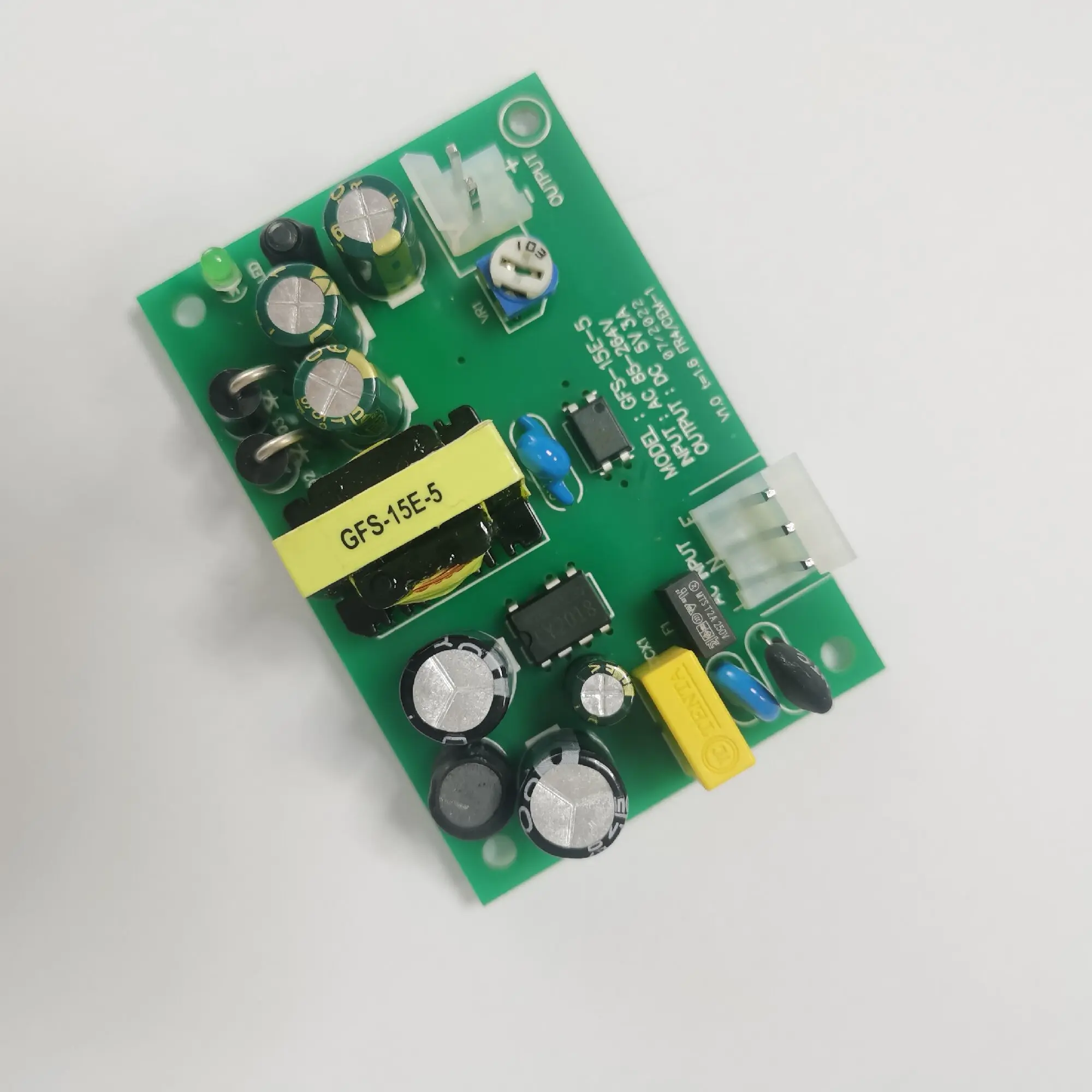
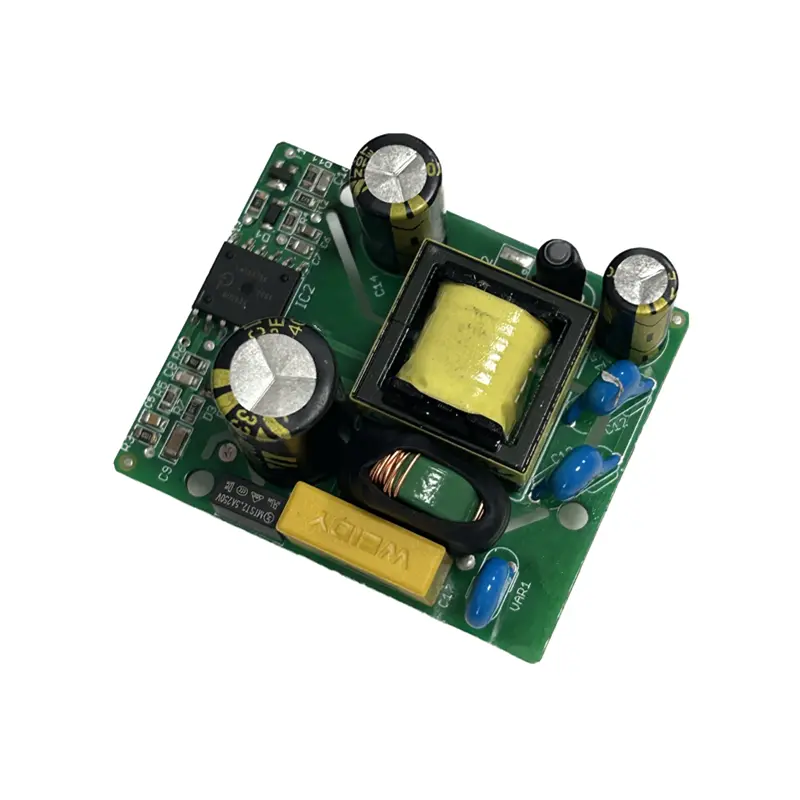
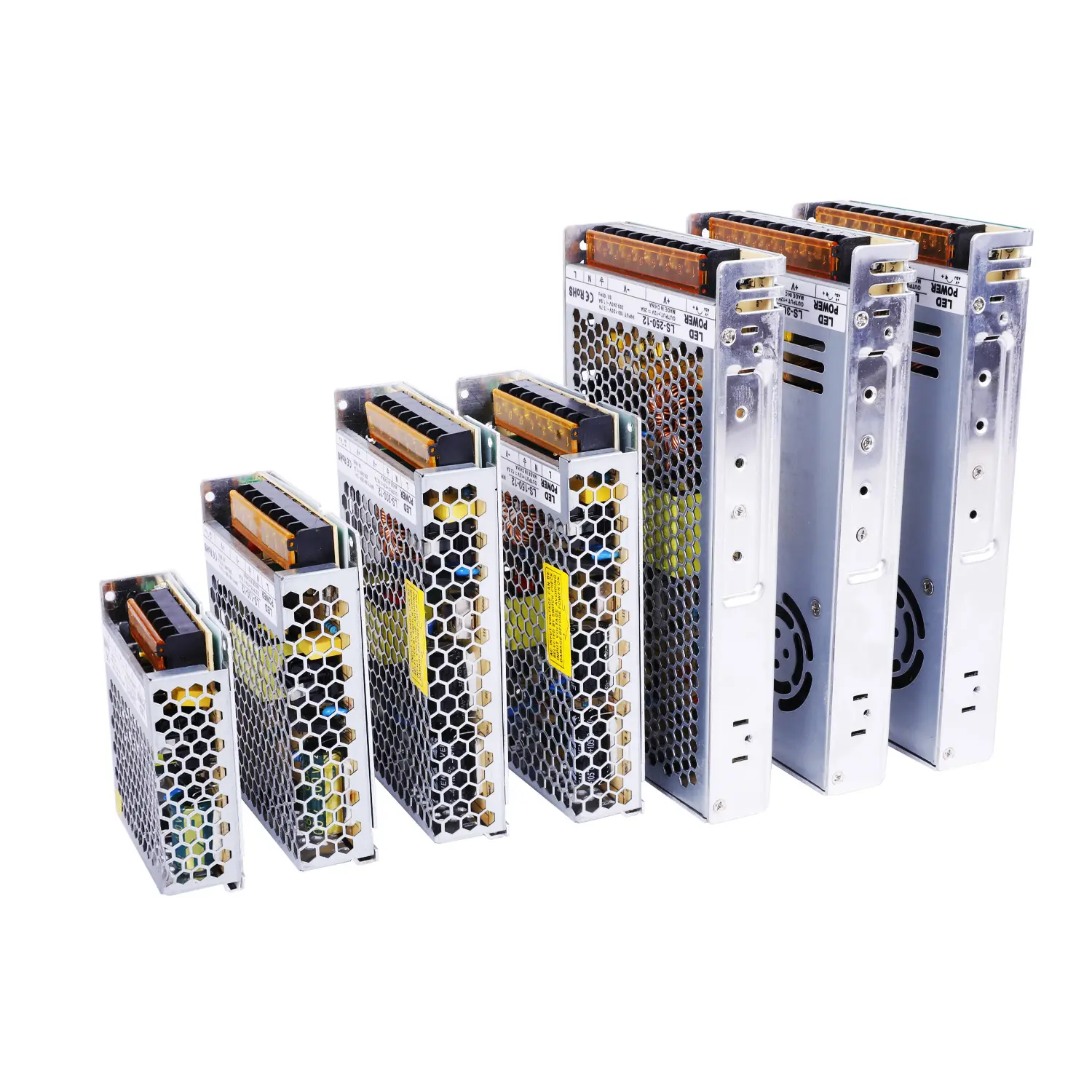
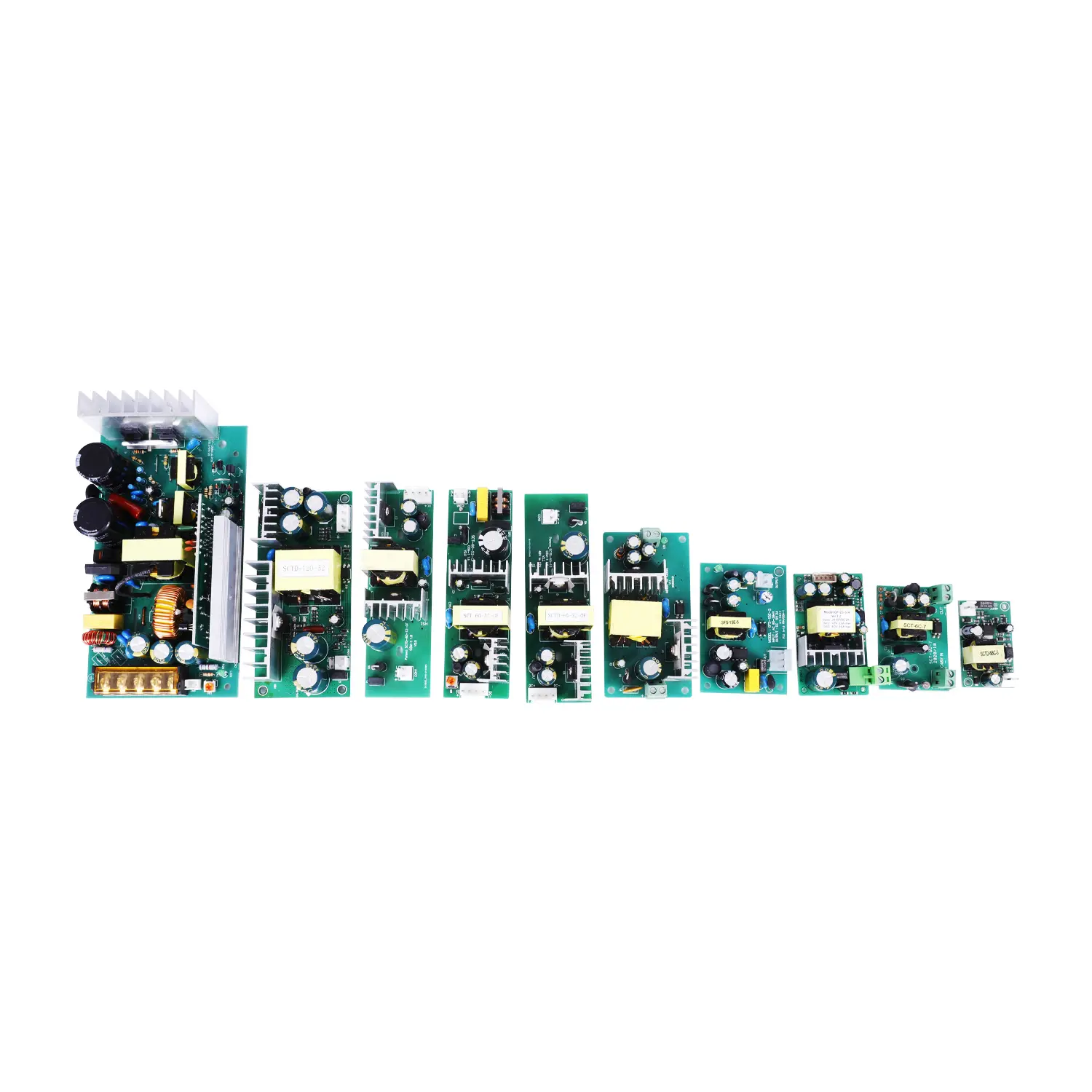
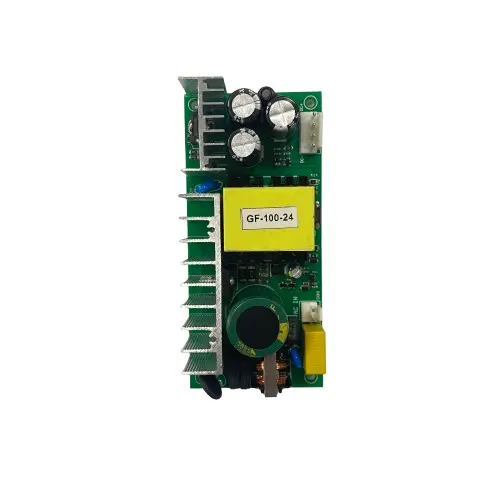
The electronics industry is witnessing a surge in bare board power supply (BBPS) adoption across cutting-edge applications. These open-frame solutions excel in medical imaging equipment where their 2mm ultra-low profile design allows seamless integration into portable X-ray machines. Industrial automation systems benefit from their vibration-resistant construction - Mitsubishi recently reported 30% fewer power-related failures in robotic arms after switching to BBPS units with reinforced solder joints.
Application-specific advantages abound:
Data centers: Modular BBPS arrays enable hot-swapping in server racks, reducing downtime during maintenance
EV charging stations: The natural convection cooling of exposed boards outperforms fan-cooled units in dusty environments
LED arrays: Direct PCB mounting eliminates junction box requirements for architectural lighting installations
Critical usage considerations include:
Airflow management: Maintain minimum 15mm clearance around high-current traces
Component sensitivity: Install transient voltage suppressors when operating near RF equipment
Handling protocols: Always use ESD mats during installation - the exposed ICs are vulnerable to 100V+ discharges
Lifetime optimization: Derate by 20% when ambient temperatures exceed 40°C
Leading BBPS manufacturers now offer application-engineered variants:
Medical-grade models with <300μA leakage current
Outdoor-rated versions conformally coated against humidity
High-altitude editions compensating for thin-air arcing risks
As IoT devices shrink and renewable energy systems proliferate, BBPS technology appears poised to power tomorrow's innovations - provided engineers master its unique implementation requirements.