Products
 News
News



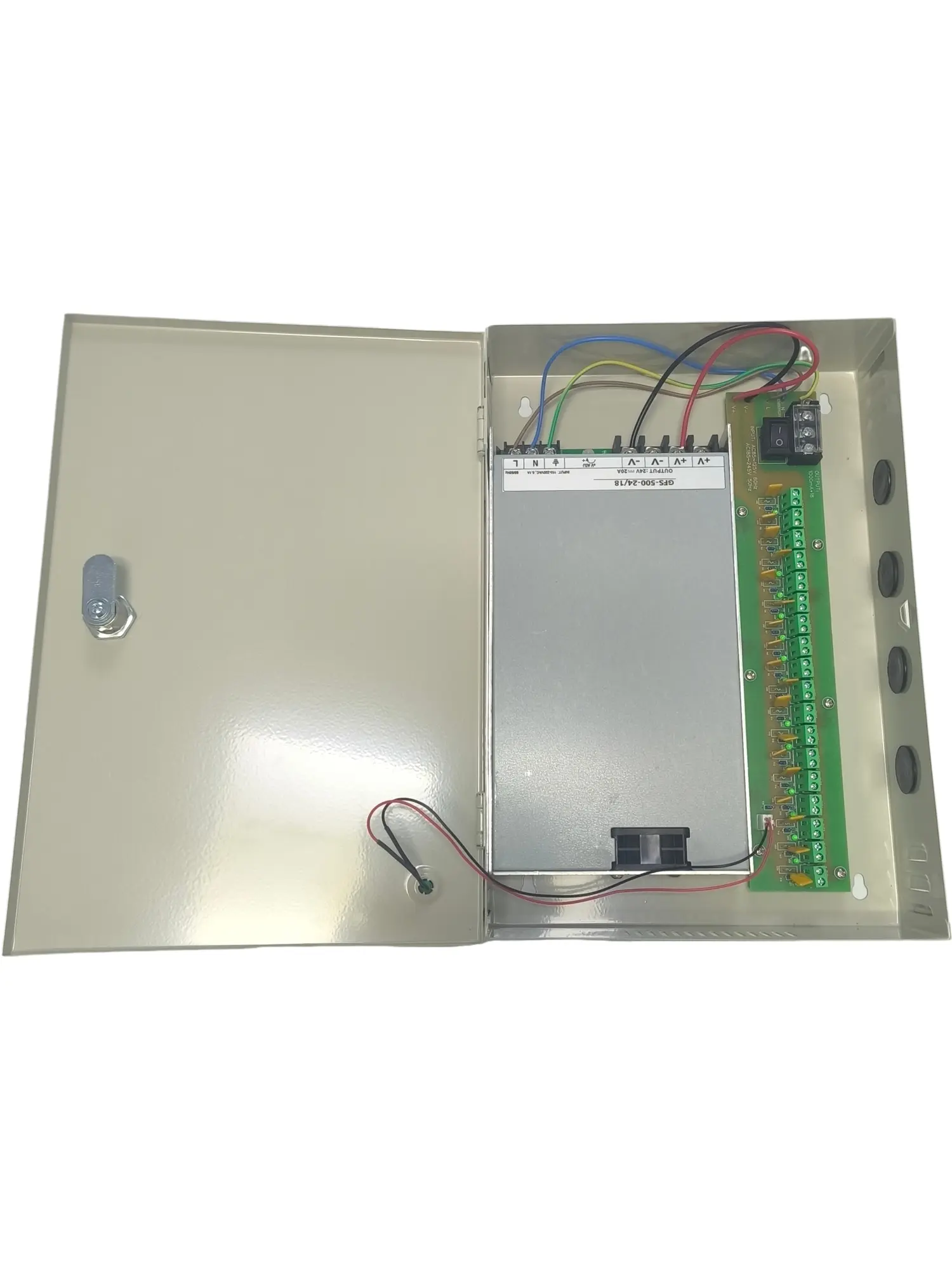
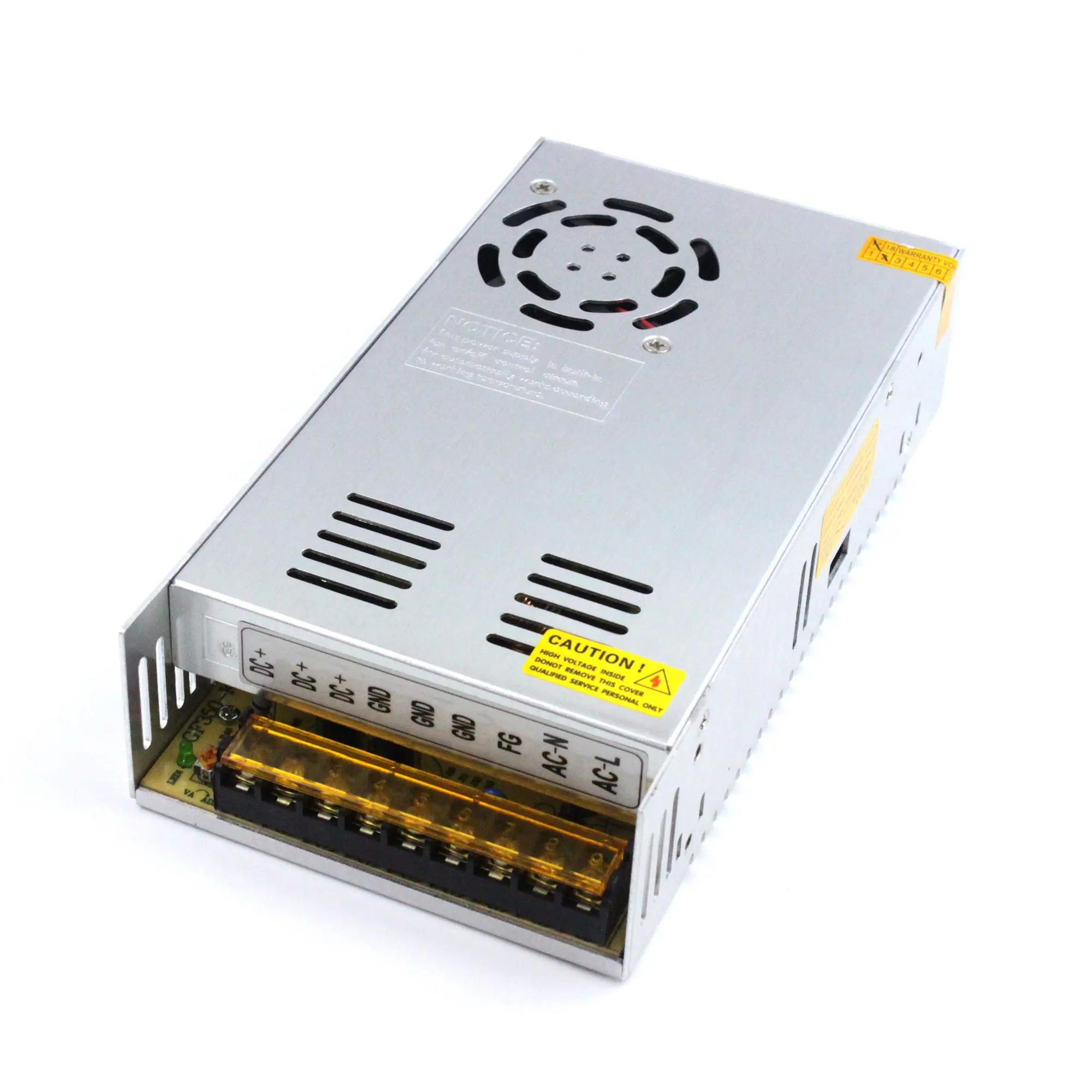
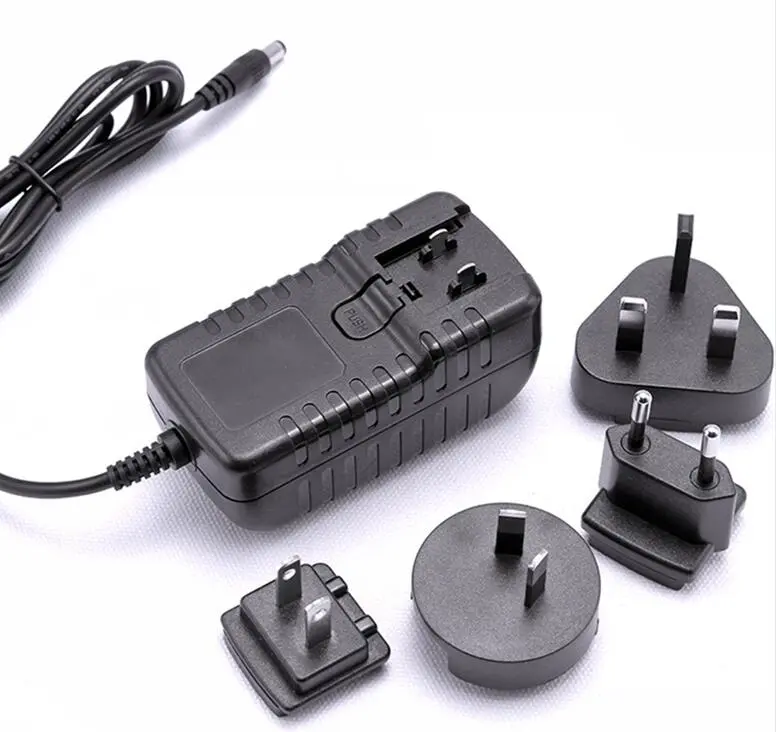
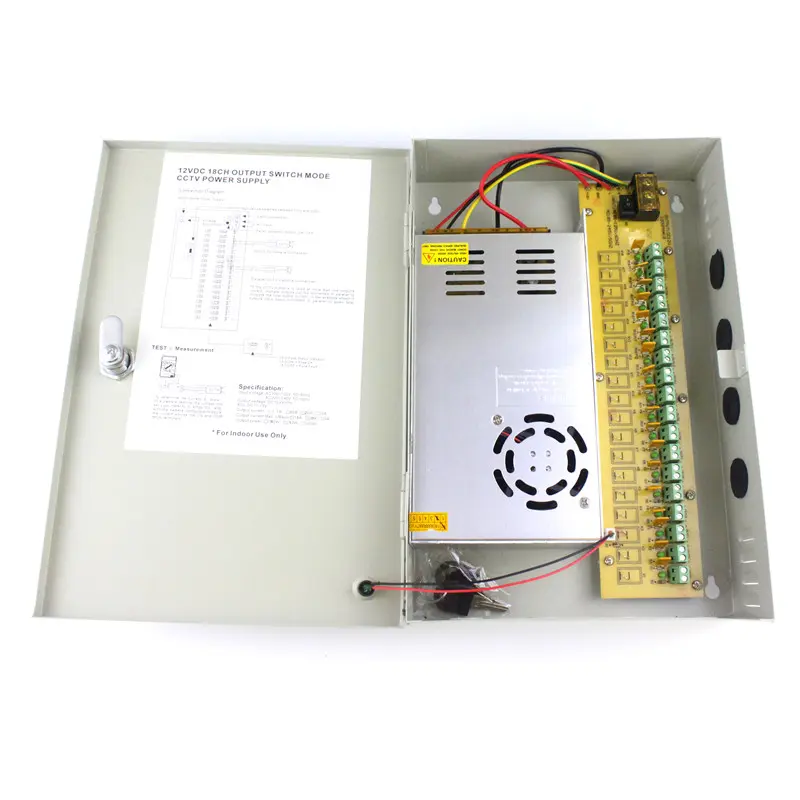
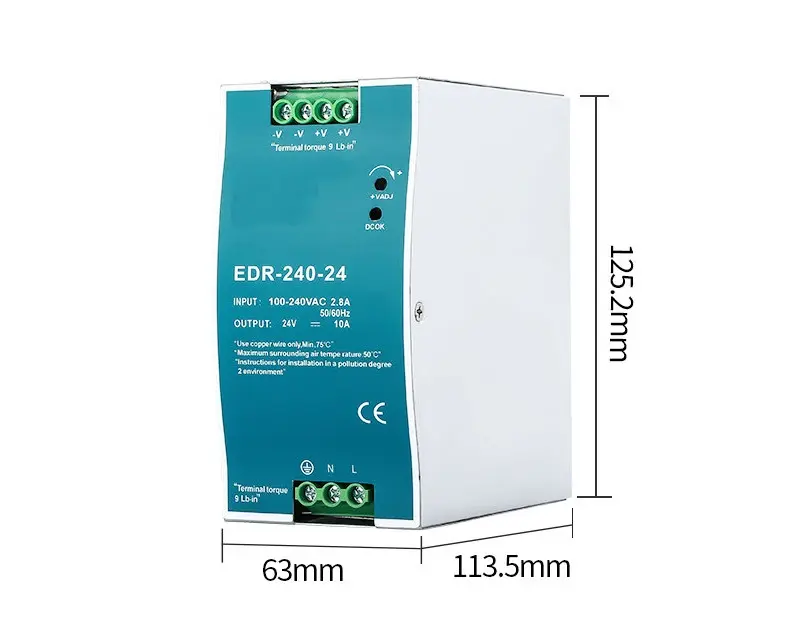
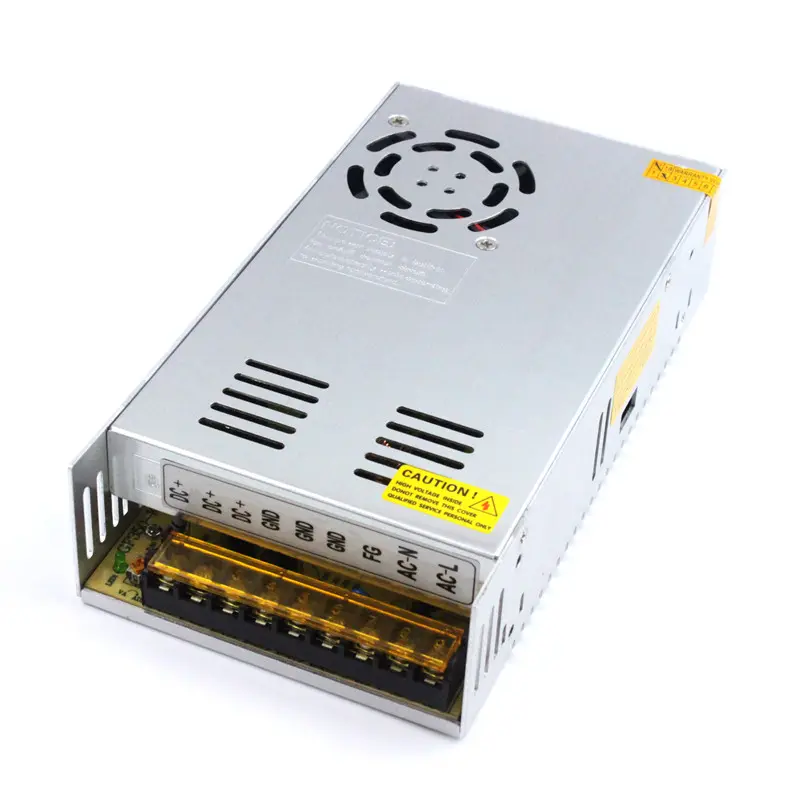
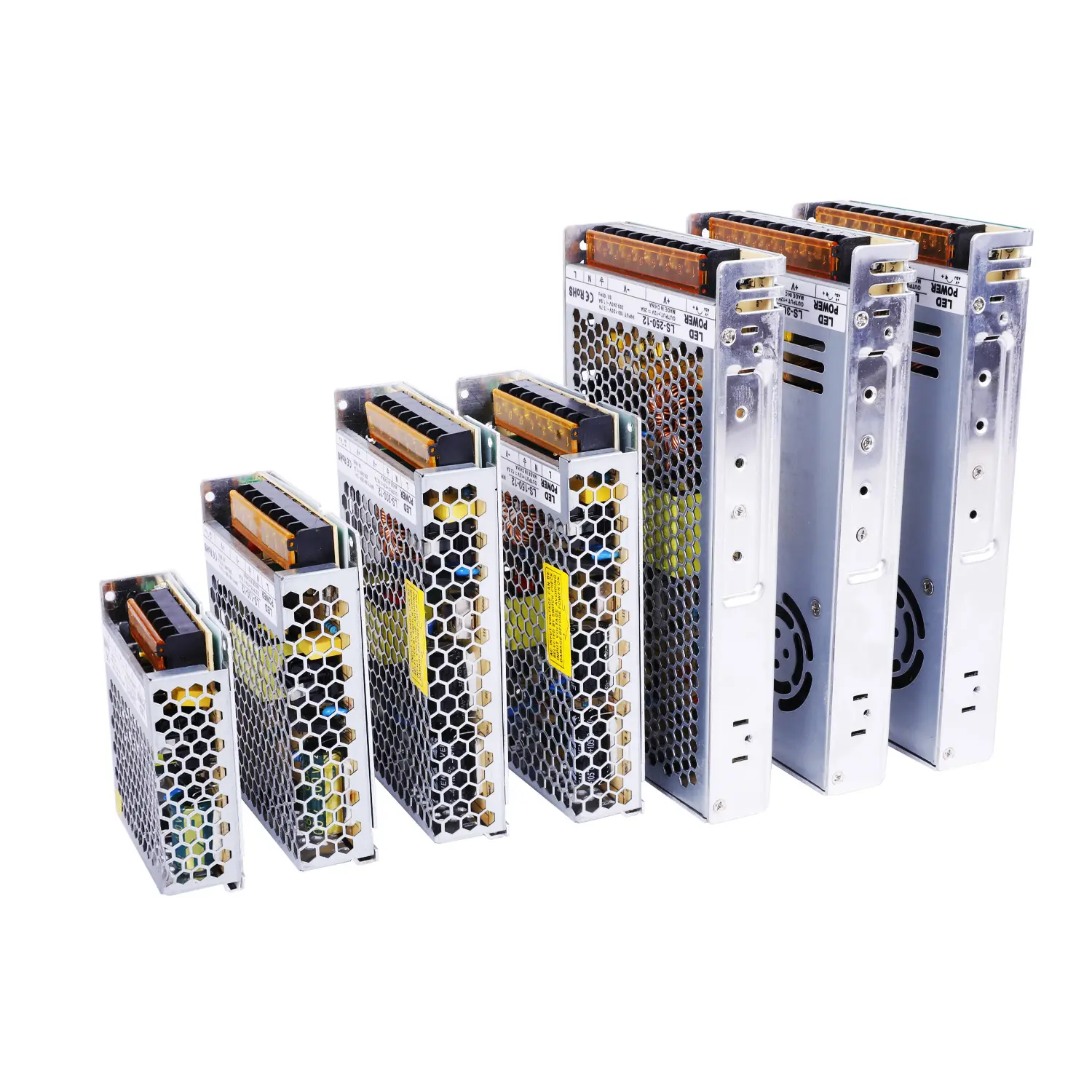
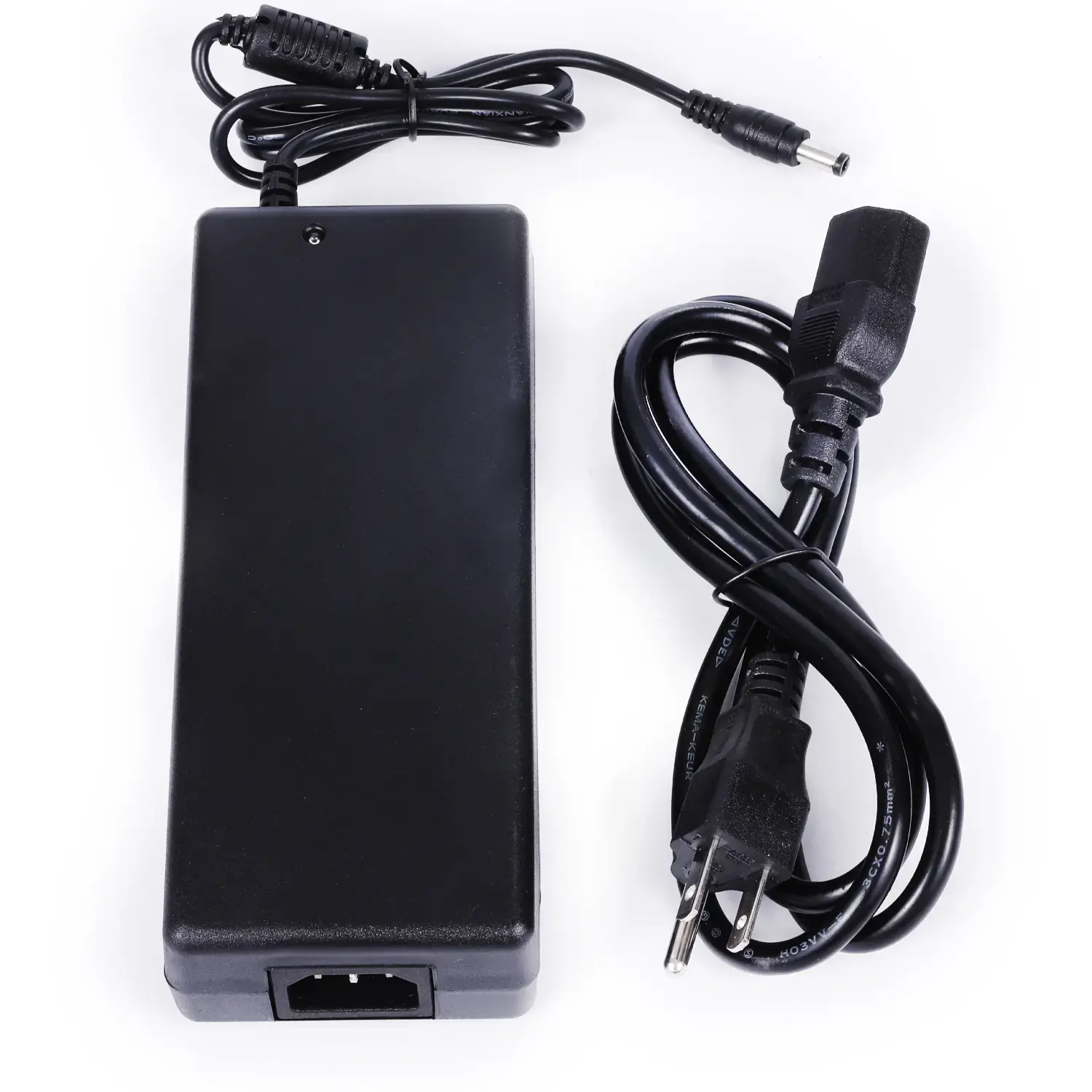
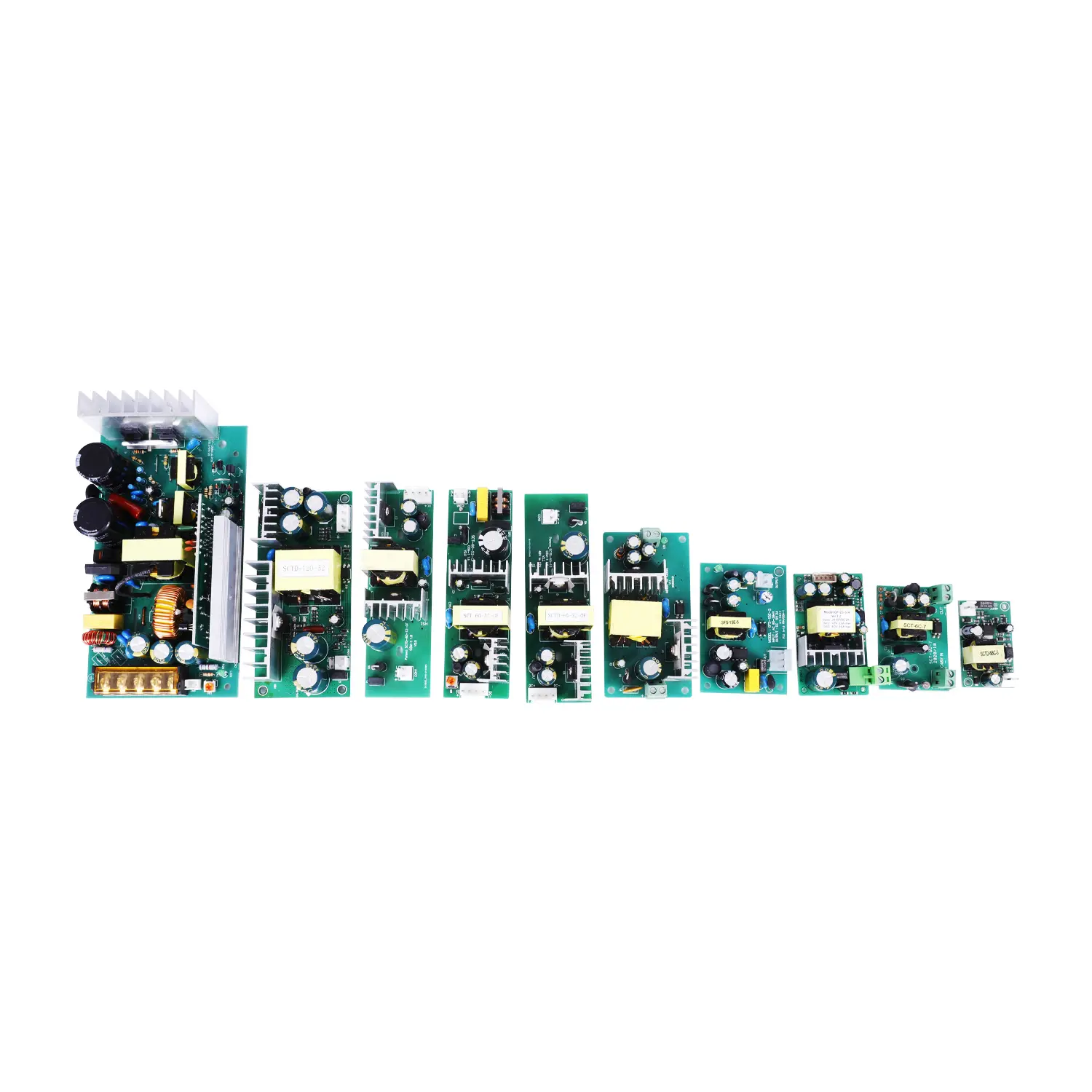
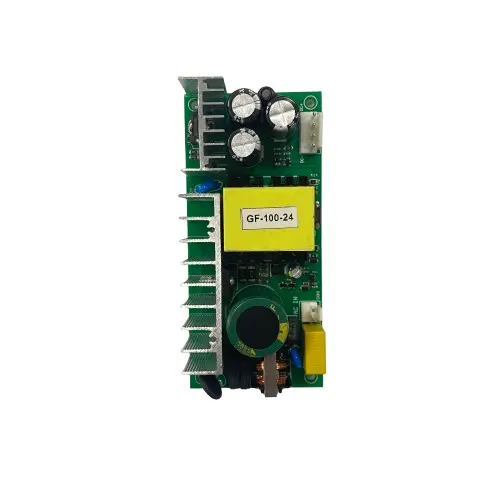
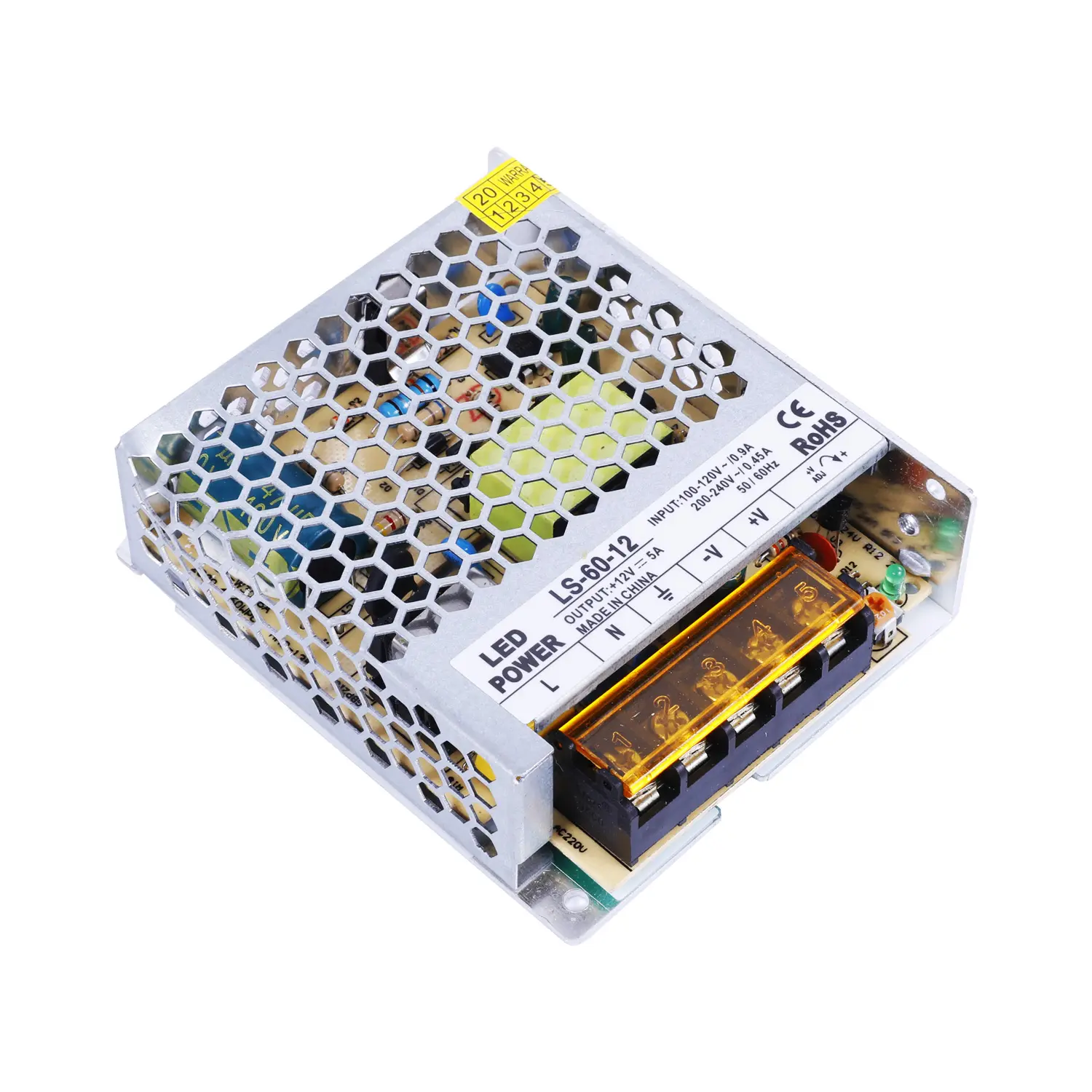
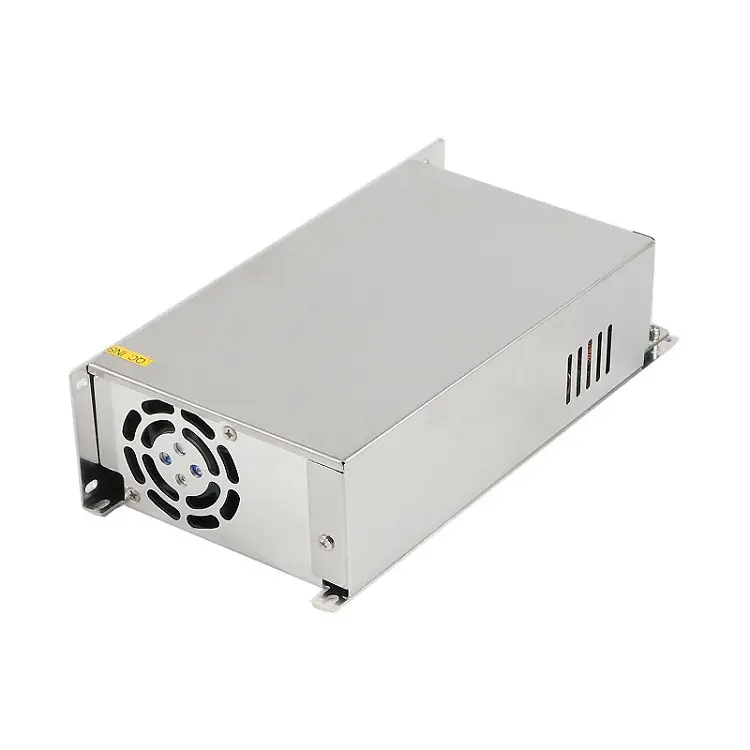
Do you know the key factors for choosing the right switching power supply?
Do you know the key factors for choosing the right switching power supply?
In today’s tech-driven world, selecting the right switching power supply is critical for ensuring device efficiency, safety, and longevity. Whether for industrial automation, consumer electronics, or renewable energy systems, here’s a concise guide to making an informed choice.
1. Prioritize Load Requirements
Voltage/Current Ratings: Match the SPS output to your device’s specifications. Overloading can cause failures, while underutilization wastes resources.Dynamic Response: For fluctuating loads (e.g., robotics), opt for units with fast transient response (<1% deviation).
2. Efficiency & Certification
Look for 80 PLUS certification (e.g., Gold/Platinum) to minimize energy loss. High efficiency (≥90%) reduces heat generation and operational costs.PF Correction: Active PFC (Power Factor Correction) models are ideal for grid-sensitive applications.
3. Environmental Adaptability
Operating Temperature: Industrial SPS should withstand -40°C to +70°C. Verify IP ratings (e.g., IP67 for dust/water resistance) if needed. EMI Compliance: Ensure adherence to FCC/CE standards to avoid electromagnetic interference.
4. Safety & Reliability
Protections like OVP (Over-Voltage), OCP (Over-Current), and SCP (Short-Circuit) are non-negotiable. MTBF: Choose models with Mean Time Between Failures >100,000 hours for critical applications.
5. Future-Proofing
Modular designs allow scalability, while digital control interfaces (e.g., PMBus) enable smart monitoring.
Pro Tip: Partner with suppliers offering customization to tailor SPS solutions to your unique needs.