Top 10 Ways to Supply Power Efficiently in Your Home?
In an era where energy efficiency has become crucial, knowing how to supply power effectively is essential. Many households struggle with high energy bills and wasteful consumption. Understanding how to optimize your power usage can lead to significant savings and a greener environment.
From simple habits to advanced technology, there are numerous ways to enhance energy efficiency in your home. For instance, using LED bulbs instead of traditional ones can save a lot of electricity. Other strategies involve smart appliances that adjust their energy usage automatically. However, many people overlook fundamental practices. Turning off devices when not in use is a basic yet often forgotten point.
Reflecting on our power habits can reveal areas for improvement. Implementing changes isn't always straightforward. Sometimes, the investment in systems to supply power efficiently seems daunting. Yet, these decisions lead to long-term benefits. As you explore these ten methods, consider your daily routines and identify where adjustments can be made. Small changes can lead to significant results, making energy efficiency a shared goal for all of us.
Understanding Energy Efficiency in Home Power Supply
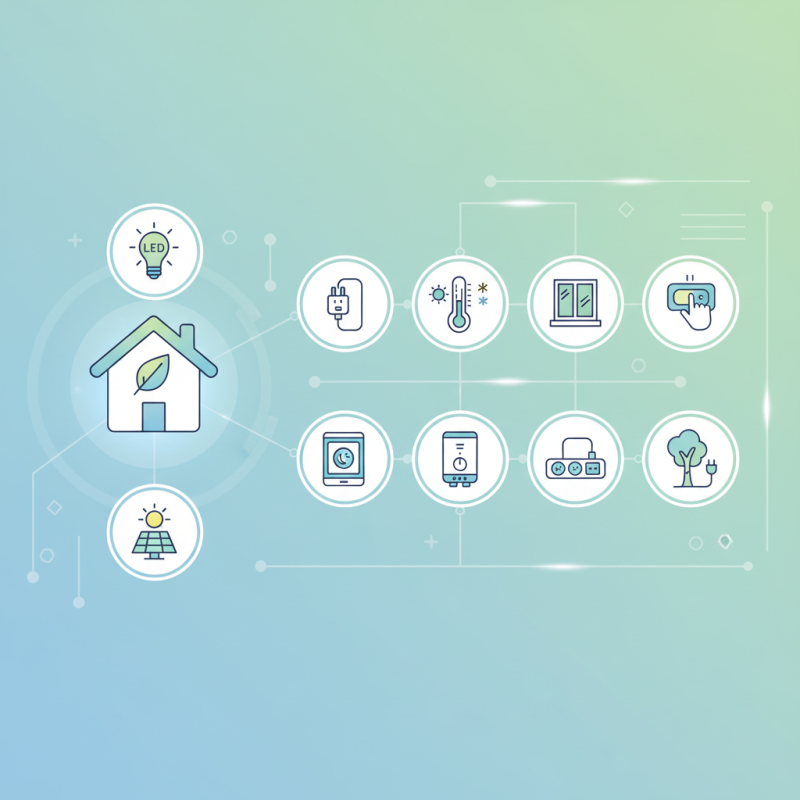
As energy costs rise, understanding energy efficiency in home power supply becomes crucial. Small changes can lead to significant savings. Consider LED bulbs instead of traditional ones. They last longer and use less energy. Smart power strips can help cut phantom energy usage, which happens when devices are plugged in but not in use.
Inspecting your home for drafts is another step. Gaps around windows and doors waste energy. Sealing these leaks improves your heating and cooling efficiency. This may require some effort, but the long-term savings are worth it.
Investing in insulation is often overlooked. Many homes have inadequate insulation. Adding insulation can keep your home comfortable without overworking your heating system. Consider programmable thermostats too. They allow you to set temperatures based on your schedule. It’s simple, yet many still forget to take advantage of this technology.
These actions require awareness and commitment. Energy efficiency doesn’t just save money; it benefits the environment. Your choices matter, even if they seem small.
Implementing Smart Home Technology for Energy Management
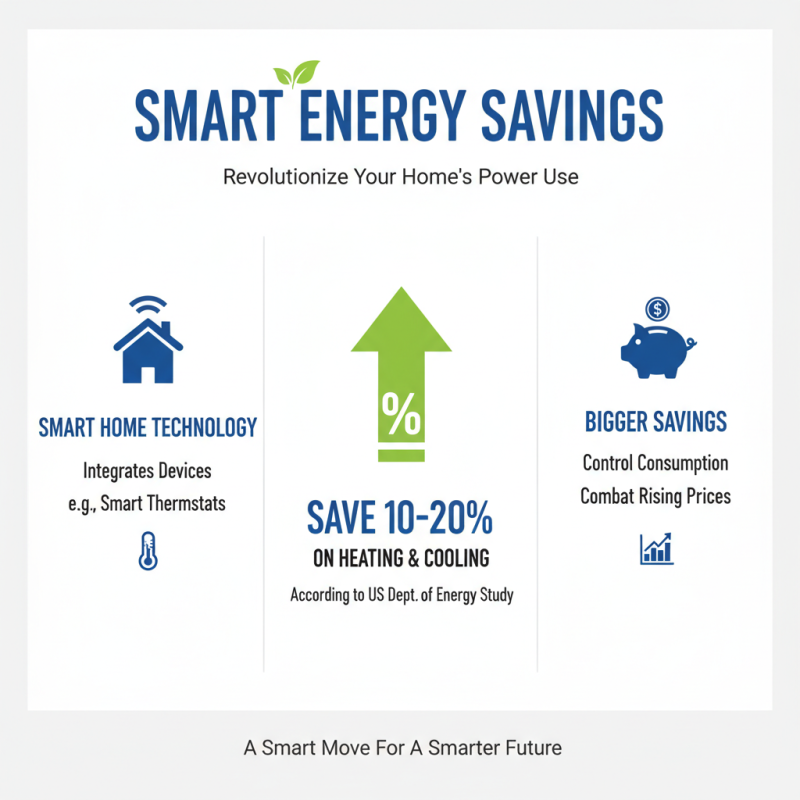
Smart home technology is revolutionizing energy management in many homes. Integration of devices like smart thermostats can lead to significant savings. According to a study by the U.S. Department of Energy, homeowners can save up to 10-20% on heating and cooling costs by using these devices. It's a smart move to control energy consumption, especially in a world with rising energy prices.
However, adopting this technology isn't always straightforward. Many users face steep learning curves. The initial setup can be confusing, and not every device communicates flawlessly. A report from the Consumer Technology Association noted that 40% of people abandoning smart home technology cite usability issues. Clearly, there's room for improvement in user experience.
Moreover, energy monitoring systems can help identify high usage appliances. These systems provide real-time data and insights. Households can adjust their habits accordingly. A joint survey by the International Energy Agency found that homes utilizing energy monitoring saw a 15% decrease in electricity consumption. But the effectiveness of this technology can vary widely, leaving some users disappointed in their results.
Utilizing Renewable Energy Sources for Sustainable Power
Utilizing renewable energy sources can transform your home into a more sustainable living space. Solar panels are a popular choice for homeowners looking to harness sunlight. They can significantly reduce electricity bills and carbon footprints. However, installation costs can be high upfront. This might require financial planning and careful consideration.
Wind turbines are another renewable option. They are ideal for areas with consistent winds. A small turbine can power your home or supplement your existing energy supply. But they also require space and can be noisy. These factors often lead to mixed feelings about their practicality.
Tips: Choose energy-efficient appliances to amplify the benefits of renewable energy. Regular maintenance of energy systems helps maximize their efficiency. Explore community programs that promote renewable energy incentives. Engaging with neighbors can lead to shared resources, making these technologies more accessible. Always reflect on your energy usage habits. Small changes can lead to significant savings and a greener lifestyle.
Incorporating Energy-Efficient Appliances and Systems
Incorporating energy-efficient appliances can significantly reduce your energy consumption. Consider using LED light bulbs. They last longer and consume less power than traditional bulbs. Replacing your old fridge with a more efficient model can save hundreds of dollars a year.
When choosing appliances, look for Energy Star ratings. These products meet strict efficiency guidelines. Small changes can make a difference. How about a smart thermostat? It adjusts your home's temperature based on your habits.
Regular maintenance is key. Dirty filters in heating or cooling systems can lead to higher energy use. Keep an eye on your appliances. No one wants to be surprised by a costly bill. Pay attention to energy vampires, too. Unplug chargers and devices when not in use. Implementing these tips can help you stay on track with energy efficiency.
Top 10 Ways to Supply Power Efficiently in Your Home
Conducting Regular Energy Audits to Identify Improvements
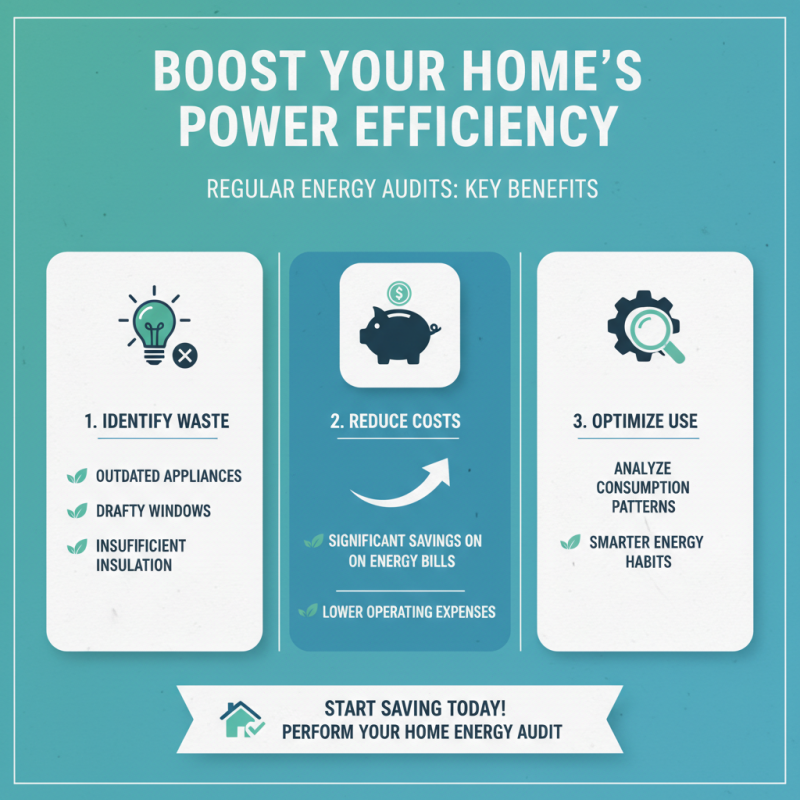
Conducting regular energy audits is essential for improving your home's power efficiency. This process helps you identify areas where energy is wasted. A simple audit can reveal outdated appliances, drafty windows, or insufficient insulation. Each of these issues can significantly impact your energy bills. Analyzing your energy consumption patterns also offers insights into potential savings.
During an energy audit, take notes of your findings. For example, check if light bulbs are still incandescent. Replace them with energy-efficient options. Look for unused electronics that remain plugged in. Those “vampire” devices quietly drain power. Small changes can lead to considerable savings over time. However, it’s easy to overlook these problems in daily life.
After identifying issues, create an improvement plan. Set realistic goals for making those changes. You might start with sealing gaps around doors and windows. Perhaps, consider upgrading your thermostat. These adjustments can seem daunting. Regular audits help keep your energy usage in check. Even if you miss some details, consistent effort will yield better results over time. Each step towards efficiency matters.

 Products
 News
News
 Whatsapp
 Skype
Skype
 Wechat