Top Supply Power Solutions for Sustainable Energy Management?
As the world shifts towards sustainable energy management, effective Supply Power solutions are crucial. According to the International Renewable Energy Agency (IRENA), renewable energy sources could provide up to 86% of global power needs by 2050. This transition emphasizes the importance of innovative power supply systems that enhance reliability and efficiency.
While advancements in energy technologies show promise, challenges remain. The Intergovernmental Panel on Climate Change (IPCC) warns that current energy supply methods must evolve significantly to meet ambitious climate goals. Many regions face issues like energy loss and inconsistent supply, highlighting the need for integrated solutions.
To enable a more resilient and sustainable future, stakeholders must embrace adaptive Supply Power strategies. Reports from the World Energy Council indicate that integrating smart grid technology can reduce energy consumption by as much as 30%. These figures demonstrate the urgency for high-quality supply chain solutions focused on renewable energy. The path forward is complex, requiring continuous reflection and innovation.
Current Trends in Sustainable Energy Management Solutions
Sustainable energy management is crucial for reducing our carbon footprint. Companies are now prioritizing energy efficiency. They are implementing practices that align with environmental goals. This shift is evident in recent trends.
One growing trend is the use of smart grid technologies. These systems optimize energy distribution. They allow real-time monitoring and control of energy sources. This leads to reduced waste and enhanced reliability. Moreover, integrating renewable sources improves sustainability. Solar and wind power contribute significantly to this effort.
Another notable trend is the adoption of energy storage solutions. Battery systems help manage energy supply during peak usage. Companies are investing in these technologies to ensure resilience. However, the reliance on batteries raises ethical questions about sourcing materials. Such complexities highlight the need for a balanced approach. Achieving sustainability requires thoughtful consideration and innovation from all stakeholders.
Key Technologies for Enhancing Supply Power Efficiency
Power efficiency is a crucial aspect of sustainable energy management. Various technologies can enhance supply power efficiency. One of the most promising is smart grid technology. Smart grids optimize energy distribution. They allow for real-time data analysis, helping to predict demand fluctuations. This leads to better energy resource allocation.
Energy storage systems are also vital. They balance supply and demand. Battery technologies improve significantly, storing renewable energy for later use. However, these systems require careful management. Their efficiency can vary based on usage patterns and lifecycle stages. Acknowledging these limitations is essential.
Demand response systems can significantly lower peak energy loads. They incentivize consumers to adjust their energy use during peak hours. This technology promotes energy conservation. Yet, consumer participation can fluctuate based on awareness and incentives. Continuous education is necessary to maximize its effectiveness. Understanding these factors can lead to more efficient energy management practices.
Evaluating Renewable Energy Sources for Sustainable Supply
The shift to renewable energy sources is critical for sustainable supply management. According to a report by the International Renewable Energy Agency (IRENA), global renewable energy capacity reached 2,799 GW in 2020, a 10.3% increase from 2019. Solar and wind energy are leading this transition, but we must evaluate their long-term viability.
Wind energy capacity alone increased by 93 GW in 2020, showcasing its potential. However, challenges exist. The intermittent nature of wind and solar energy can lead to supply instability. In 2021, a major study highlighted that renewable energy could backfire without efficient energy storage solutions. This gap in technology can hinder the transition to a fully sustainable model.
Hydropower remains a reliable source, making up over 16% of global electricity generation. Yet, it also faces criticism for environmental impacts. Local ecosystems suffer, and land displacement occurs. Evaluating the best renewable sources must involve these considerations. As we strive for a greener future, balancing supply reliability and environmental integrity is essential.
Top Supply Power Solutions for Sustainable Energy Management
| Renewable Energy Source |
Capacity (MW) |
Efficiency (%) |
CO2 Reduction (tons/year) |
Initial Investment ($ million) |
| Solar PV |
500 |
15 |
300,000 |
700 |
| Wind Energy |
300 |
40 |
250,000 |
600 |
| Hydropower |
800 |
45 |
500,000 |
900 |
| Biomass |
200 |
30 |
150,000 |
350 |
| Geothermal |
150 |
10 |
100,000 |
400 |
Strategies for Integrating Energy Storage Solutions
Integrating energy storage solutions is crucial for effective sustainable energy management. A report by BloombergNEF forecasts that the global energy storage market will reach 1,000 GWh by 2040. This growing demand emphasizes the need for diverse strategies in energy integration. Systems using batteries and other storage technologies can enhance reliability, balance supply and demand, and reduce energy costs. Effective integration is essential for maximizing renewable energy use, especially as solar and wind power become more prevalent.
When considering energy storage, it’s vital to assess the types of technologies available. Different storage methods, like lithium-ion batteries, pumped hydro, and thermal storage, have unique advantages. Each solution comes with its own limitations, such as lifespan or energy density, making it essential to understand specific project needs and conditions. Regulatory challenges and market dynamics can also influence the integration strategies.
**Tip:** Regularly evaluate energy consumption patterns. Understanding your energy usage can pinpoint areas for improved efficiency.
The transition to sustainable energy is filled with challenges. While renewable sources are clean, their intermittent nature complicates energy management. Energy storage systems play a pivotal role in providing stability and backup. Utilizing smart grids can further enhance the integration of these solutions.
**Tip:** Consider hybrid systems. Combining different storage technologies can optimize performance and resilience.
Balancing short-term needs with long-term sustainability goals requires thoughtful planning and continuous adaptation. The future of energy management relies heavily on innovative storage solutions.
Top Supply Power Solutions for Sustainable Energy Management
This chart illustrates the integration of various energy storage solutions for sustainable energy management over a span of five years. The data showcases the performance and capacity of different energy storage technologies, highlighting the growing trend towards renewable energy solutions.
Regulatory Frameworks Supporting Sustainable Power Solutions
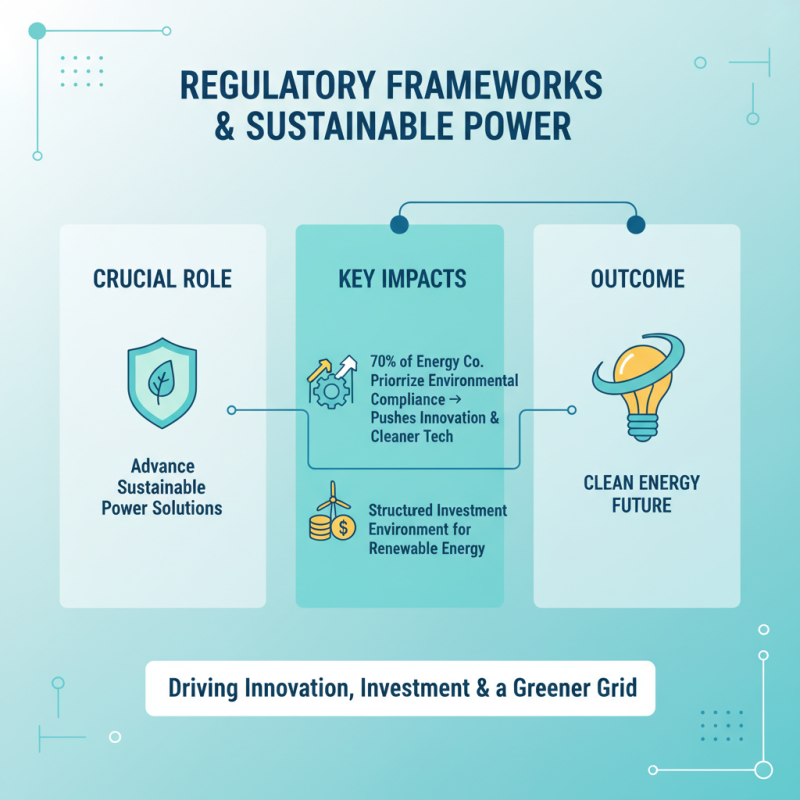
Regulatory frameworks play a crucial role in advancing sustainable power solutions. Recent studies reveal that around 70% of energy companies prioritize compliance with environmental regulations. These regulations push organizations to innovate and adopt cleaner technologies. Moreover, they create a structured environment for investments in renewable energy.
Effective regulations can drive substantial economic growth. For instance, according to the International Renewable Energy Agency, the renewable energy sector is expected to generate 24 million jobs globally by 2030. However, the effectiveness of these frameworks often varies by region. Many regions still lack stringent policies. This inconsistency creates challenges for companies striving for sustainability.
Moreover, while regulatory incentives exist, they don't always lead to immediate results. Some companies face obstacles, such as inadequate infrastructure or high initial costs. Despite these hurdles, investment in sustainable energy remains critical for future stability. Reflecting on these challenges can help stakeholders better understand the complexities of regulatory impacts in energy management.

 Products
 News
News
 Whatsapp
 Skype
Skype
 Wechat