Why Is a Reliable Power Supply Essential for Your Devices?
A reliable power supply is crucial for the performance of electronic devices. According to a recent industry report from Tech Research Institute, nearly 30% of device malfunctions are due to power supply issues. This statistic highlights the importance of stable and efficient power sources in preventing equipment failure.
Many devices rely on a consistent power supply to function correctly. For example, servers in data centers need uninterrupted power to maintain operations. Even minor fluctuations can lead to data loss or unexpected downtime. Moreover, consumer electronics like smartphones and laptops are sensitive to power variations. A faulty power supply can reduce the lifespan of these devices.
Yet, many users underestimate this aspect. Some may accept occasional device glitches as normal, failing to realize that an unreliable power supply is often the culprit. This oversight can lead to costly repairs and replacements. Understanding the significance of a stable power supply is essential, especially as technology continues to advance. Devices are becoming more complex, and their dependence on quality power sources is greater than ever.
The Importance of a Reliable Power Supply for Electronic Devices
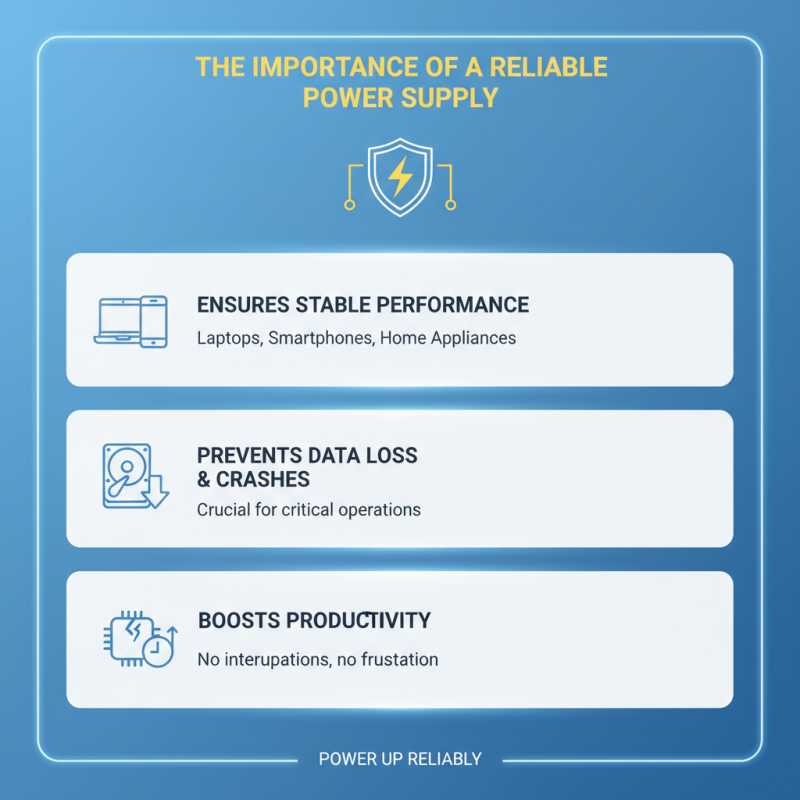
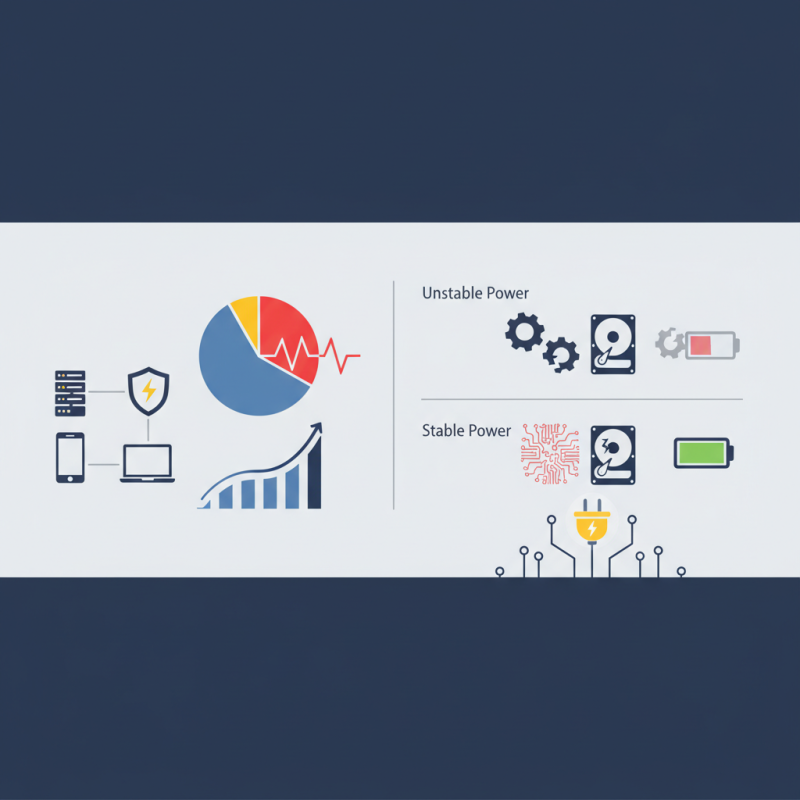
A reliable power supply is crucial for electronic devices. Without it, performance can falter. Devices like laptops, smartphones, and home appliances rely on stable power. An inconsistent power supply may cause crashes and data loss. Furthermore, it can even damage sensitive components over time. A sudden loss of power during a critical operation is frustrating. It can lead to significant productivity drops.
Consider these tips: always use quality power adapters suited for your devices. Cheap alternatives might save money but can lead to issues later. Additionally, surge protectors are essential. They act as a barrier against unexpected voltage spikes. This small investment can prolong the life of your devices. Regularly check your cable connections. A loose or frayed cable might seem minor but can disrupt power delivery.
It’s easy to overlook the power source. Yet, it holds immense importance in your daily tech use. If you notice devices acting erratically, consider the power supply. Reflection on the quality of your power source is necessary for optimal device performance. Make power supply reliability a priority to keep your devices running smoothly.
How Unreliable Power Affects Device Performance and Longevity
Unreliable power can seriously impact your devices. Power fluctuations can lead to performance issues. For example, a study by the Electrical Safety Foundation International found that electrical disturbances cause around $150 billion in economic losses annually. Devices may overheat or shut down unexpectedly. This can shorten their lifespan significantly.
Power surges can damage internal components. When a surge occurs, it may fry sensitive circuits. Even small voltage variations can affect performance. A report from the Institute of Electrical and Electronics Engineers states that even a 10% voltage drop can cause up to a 60% decrease in device efficiency.
Tips: Use a surge protector to mitigate risks. Regularly check your power supply for abnormalities. Investing in a UPS can provide backup power during outages. Monitor the voltage levels in your home. Devices are only as reliable as the power they receive. Power quality matters. It’s worth paying attention to.
Common Issues Caused by Power Supply Failures in Electronics
A reliable power supply ensures that your devices operate smoothly. When power supplies fail, the consequences can be severe. Devices may freeze, shut down unexpectedly, or not power on at all. These failures can lead to data loss or hardware damage. Think about a computer abruptly shutting off during a file save. Panic sets in as important information is lost forever.
Surges and fluctuations in power can cause long-term damage. Components like motherboards or hard drives are particularly vulnerable. Have you ever noticed strange noises from your devices during a storm? These could be signs of electrical stress. Sometimes, we ignore the warning signs until it’s too late.
Poor power quality can lead to intermittent issues. Devices may work one moment and fail the next. This inconsistency is frustrating. You might find yourself constantly resetting devices or troubleshooting. It's essential to be proactive about power supply stability. Investing in surge protectors or uninterruptible power supplies can save you from future headaches.
Solutions and Best Practices for Ensuring Power Reliability
A reliable power supply is crucial for the smooth operation of electronic devices. Fluctuations in power can lead to device failure. This not only disrupts tasks but can also result in data loss. Protecting your devices means understanding power sources deeply.
Using surge protectors is a common solution. They shield devices from voltage spikes. Reliable uninterruptible power supplies (UPS) can help during blackouts. A UPS provides temporary power, allowing time for safe shutdowns. Regular maintenance of these devices is often overlooked. Dust and wear can impact their effectiveness, leaving vulnerabilities.
Another best practice is the use of power strips. These can manage multiple devices efficiently. However, overloading them can lead to hazards. It is important to distribute loads wisely. Disconnect unused devices to minimize risks. Creating a checklist for regular power supply checks can help maintain reliability. Small changes in routine can lead to significant improvements in device longevity.
Future Trends in Power Supply Technology and Device Dependability
Future trends in power supply technology are shaping how devices function. As technology evolves, the demand for reliable power supply becomes more critical. Devices are growing increasingly complex. They require stable and efficient power sources to operate properly.
One notable trend is miniaturization. Power supplies are becoming smaller yet more powerful. This change is essential for portable devices. With powerful processors and advanced features, batteries must keep up. But smaller sizes can lead to overheating issues. Designers must focus on thermal management and safety.
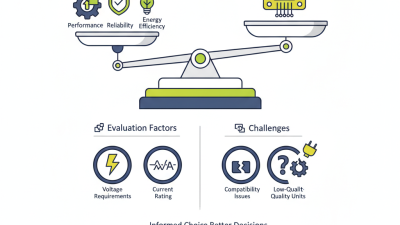
**Tip:** Always check the compatibility of power supplies with your devices. Using an inappropriate supply can cause damage.
Another trend to watch is smart power management. Devices are now integrating advanced power management systems. These systems optimize energy use, enhancing battery life. However, this technology isn't perfect. Users may experience inconsistent performance if not calibrated correctly.
**Tip:** Regularly update device firmware. Manufacturers often release updates that improve power management.
Understanding these trends helps consumers anticipate changes. It also emphasizes the need for a reliable power source to ensure device performance. A stable power supply enhances overall dependability, making it crucial for our tech-dependent lives.
Why Is a Reliable Power Supply Essential for Your Devices? - Future Trends in Power Supply Technology and Device Dependability
| Device Type |
Power Supply Requirement |
Power Supply Technology |
Dependability Rating |
Future Trends |
| Smartphones |
Fast charging, stable voltage |
Lithium-ion batteries with smart power management |
4.5/5 |
Wireless charging, energy-efficiency improvements |
| Laptops |
Capable of handling high power peak |
Adaptive power supply units |
4.7/5 |
USB-C multi-power delivery |
| Home Appliances |
Consistent voltage supply |
AC/DC adapters |
4.2/5 |
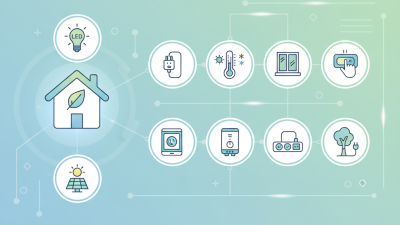
Smart home integration with IoT |
| Wearable Devices |
Low power consumption |
Energy harvesting technologies |
4.8/5 |
Integration with sustainable power sources |
| Gaming Consoles |
High-performance power delivery |
Internal power supply regulation |
4.6/5 |
Hybrid power systems for better efficiency |

 Products
 News
News
 Whatsapp
 Skype
Skype
 Wechat