2026 How to Choose the Right Power Adapter for Your Devices?
In today's tech-driven world, selecting the right power adapter is crucial. John Lee, a leading expert in power solutions, once stated, "The right adapter can extend your device's lifespan." This emphasizes the role a power adapter plays for our gadgets.
Many users underestimate the importance of a quality power adapter. Using a mismatched adapter can lead to overheating or device damage. Not every adapter is compatible with every device. This can lead to unforeseen issues, which can be frustrating and costly.
A well-chosen power adapter not only ensures safety but also enhances performance. It is essential to consider voltage and amperage specifications to avoid potential damage. As technology advances, the landscape of power adapters also evolves. Users must stay informed about the latest standards and practices.
Understanding the Different Types of Power Adapters Available
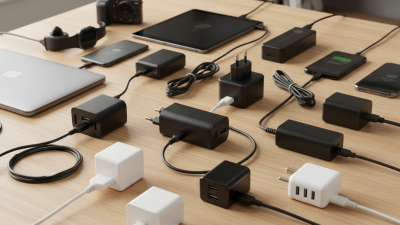
When selecting a power adapter, understanding the different types available is vital. Adapters come in various forms, such as wall chargers, car chargers, and portable power banks. According to a recent report from the International Telecommunication Union, approximately 60% of global smartphone users prefer adapters with fast-charging capabilities. This demand requires users to recognize which adapter suits their charging needs.
Wall chargers are common, but not all are the same. Some offer multiple outputs, while others provide specific voltages and amperes. For instance, a charger labeled as 5V/2A delivers 10 watts. This is suitable for smaller devices, yet larger devices may require more power. The average consumer might overlook these specifications, leading to incompatible choices. Device safety can be compromised.
Portable power banks are another growing option. Reports indicate that the usage of power banks has increased by nearly 40% in the last two years. They are convenient but often come with unclear output ratings. Many users find themselves recharging their power banks more frequently than their devices. Understanding these nuances helps in making better choices. Selecting the right power adapter is more than just picking a device; it’s about compatibility and efficiency.
Key Specifications to Consider When Choosing a Power Adapter
When choosing the right power adapter, key specifications matter significantly. Voltage is critical. It’s the source of power that drives your devices. A mismatch can lead to poor performance or even device damage. According to industry data, around 30% of users select an adapter without checking voltage compatibility. This often results in wasted money and frustration.
Current rating is another major factor. It indicates how much current the adapter can supply. Devices typically require varying current levels. A low-current adapter may not charge your device efficiently. Reports show that underpowered adapters can decrease lifespan by 20%. Many users overlook this, assuming all adapters will work seamlessly.
Lastly, the connector type plays a vital role. Different devices have different ports. It’s essential to ensure your adapter has the right connector. A common mistake is forcing an incompatible connector into a device. This can lead to physical damage. Striking a balance between specifications is crucial for optimal performance.
Power Adapter Specification Comparison
Identifying Compatibility with Your Devices and Their Power Needs
When selecting a power adapter, compatibility is crucial. Many devices require specific voltage and amperage to function optimally. According to industry reports, nearly 25% of users face issues due to incompatible adapters. Insufficient power may lead to inefficient charging or even device damage.
Identifying the power needs of your devices is essential. For example, a laptop typically needs more power than a smartphone. An average laptop charger might supply 65 to 90 watts, while phones usually require around 5 to 20 watts. This discrepancy can cause frustration if the wrong adapter is used.
In some cases, adapters may fit but not provide enough power. This can result in slow charging or overheating. Data indicates that around 15% of users experience these challenges but do not take necessary precautions. Taking the time to check voltage and amperage ratings can save you from potential headaches.
2026 How to Choose the Right Power Adapter for Your Devices? - Identifying Compatibility with Your Devices and Their Power Needs
| Device Type |
Voltage (V) |
Current (A) |
Wattage (W) |
Connector Type |
Usage |
| Smartphone |
5V |
2A |
10W |
USB-A |
Charging |
| Laptop |
19V |
3.5A |
66.5W |
Barrel Connector |
Charging / Power |
| Tablet |
5V |
2.5A |
12.5W |
USB-C |
Charging |
| Camera |
8.4V |
1A |
8.4W |
Micro USB |
Charging |
| Gaming Console |
12V |
5A |
60W |
Barrel Connector |
Power |
Safety Features and Certifications to Look for in Power Adapters
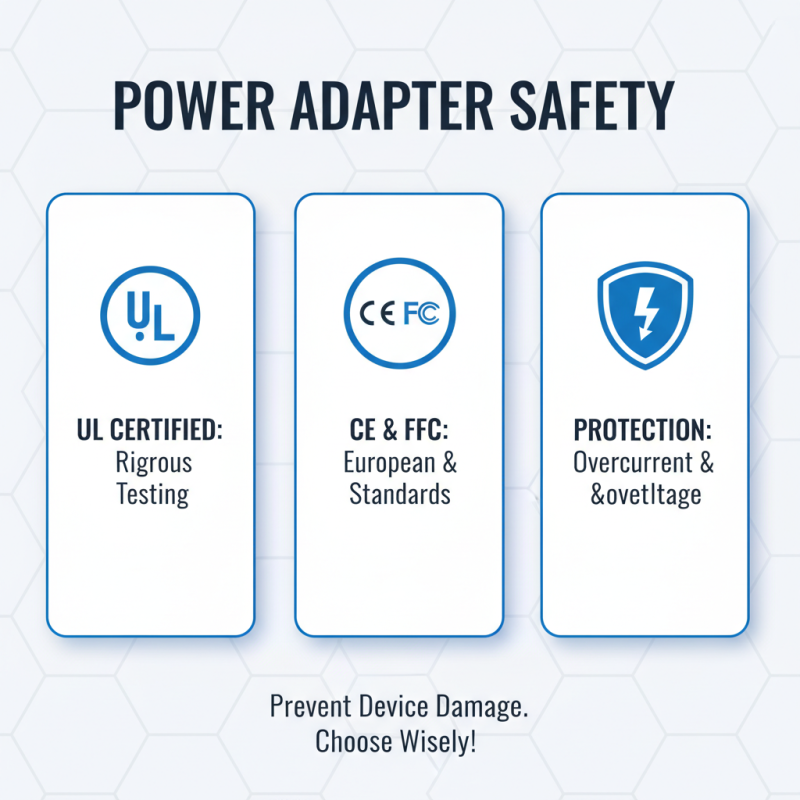
When choosing a power adapter, safety features are crucial. Look for certifications such as UL, CE, and FCC. These labels indicate that the adapter has met safety standards. For instance, UL certification ensures the product has undergone rigorous testing. Make sure the adapter also has overcurrent and overvoltage protection. These features can prevent damage to your devices.
Another aspect to consider is the build quality of the adapter. A durable, heat-resistant design can enhance safety. Check if the adapter has a sturdy casing and protected connectors. Many adapters may look good but could fail under high usage. It's essential to avoid those that feel lightweight or flimsy.
Always pay attention to the output specifications. The voltage and amperage must match your device’s requirements. A mismatch can lead to overheating or short-circuiting. Sometimes, budget adapters lack these crucial details. While saving money is tempting, it’s often a false economy. Don’t compromise on safety for a lower price.
Tips for Maintaining and Storing Power Adapters Properly
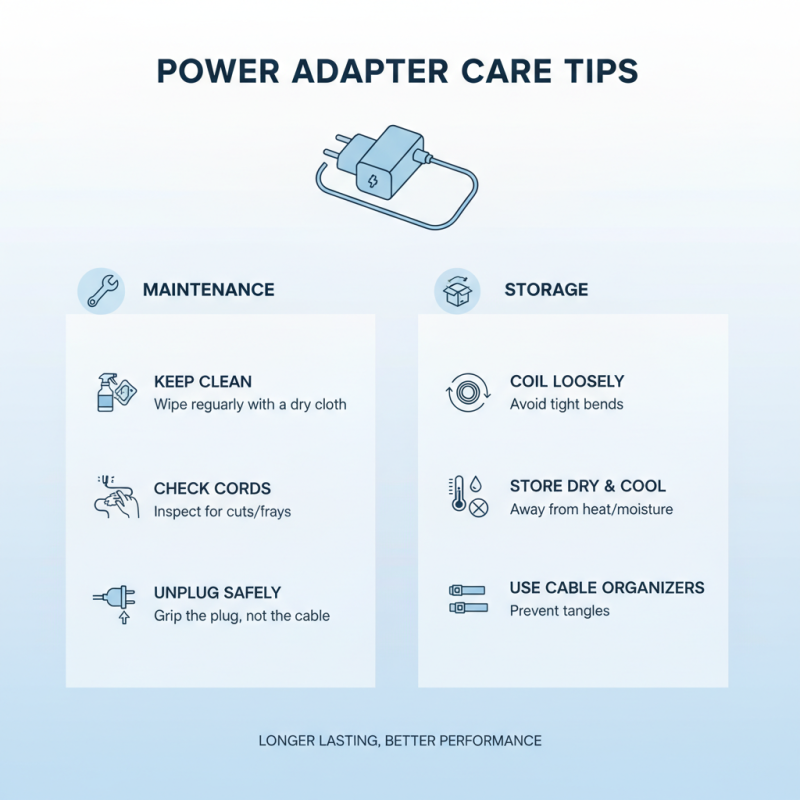
When it comes to power adapters, proper maintenance and storage are crucial. A well-cared adapter lasts longer and performs better. Here are some practical tips to keep your adapters in shape.
Always unplug adapters when not in use. Leaving them connected can cause wear and tear over time. Avoid overheating by keeping them in cool spaces. Don't place heavy items on top of adapters. This can lead to damage and even shorts. If you notice any frayed wires, take immediate action. It's better to replace them than risk a malfunction.
Proper storage is as important as maintenance. Store adapters in a dry place to prevent moisture-related issues. Use cable ties or pouches to keep cords organized. This prevents tangling and stress on the cables. If you have multiple adapters, label them for easy identification. It saves time and reduces frustration.
Sometimes, we overlook the small details. Adapters can accumulate dust, which affects performance. Clean them regularly with a dry cloth. A little care goes a long way. Even small mistakes, like leaving them outdoors, can cause damage. Evaluate your habits and make necessary changes.

 Products
 News
News
 Whatsapp
 Skype
Skype
 Wechat